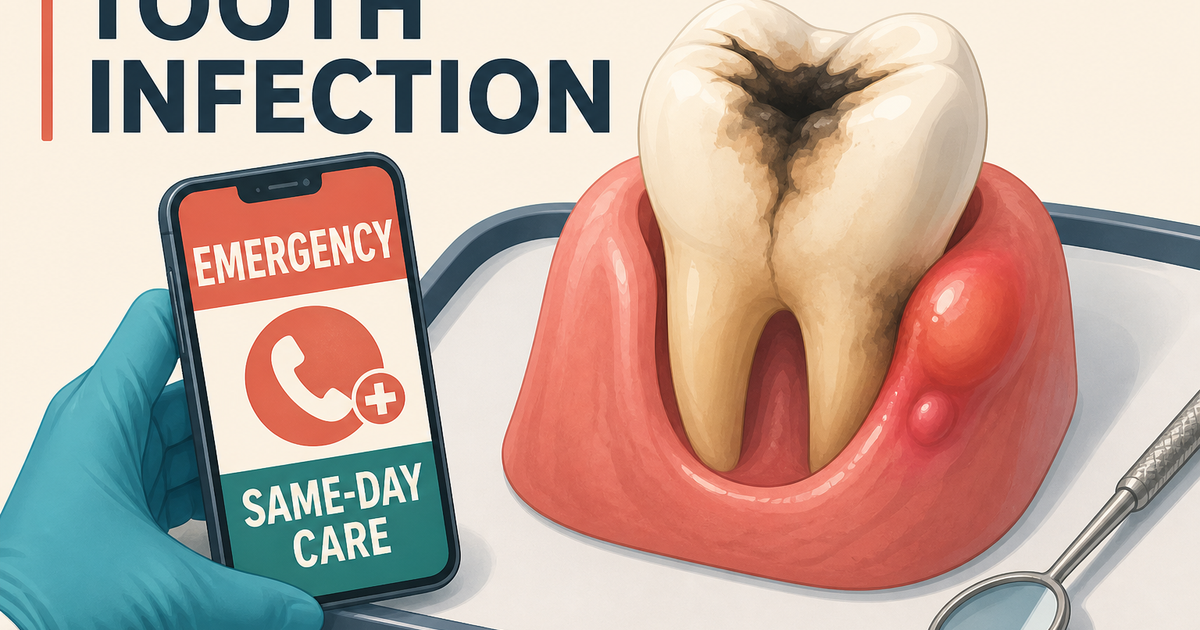
As of August 2026, a tooth infection becomes an emergency as soon as it causes facial swelling, fever, trouble swallowing, trouble breathing, or rapidly worsening pain. There is no safe countdown, and no one should wait for a fixed number of hours or days to see what happens.
Key takeaways
- A tooth infection can turn urgent fast, so symptoms matter more than a timeline.
- Facial swelling, fever, trouble swallowing, and trouble breathing are emergency red flags.
- Same-day dental care is the right next step for most infections, unless breathing or swallowing is affected.
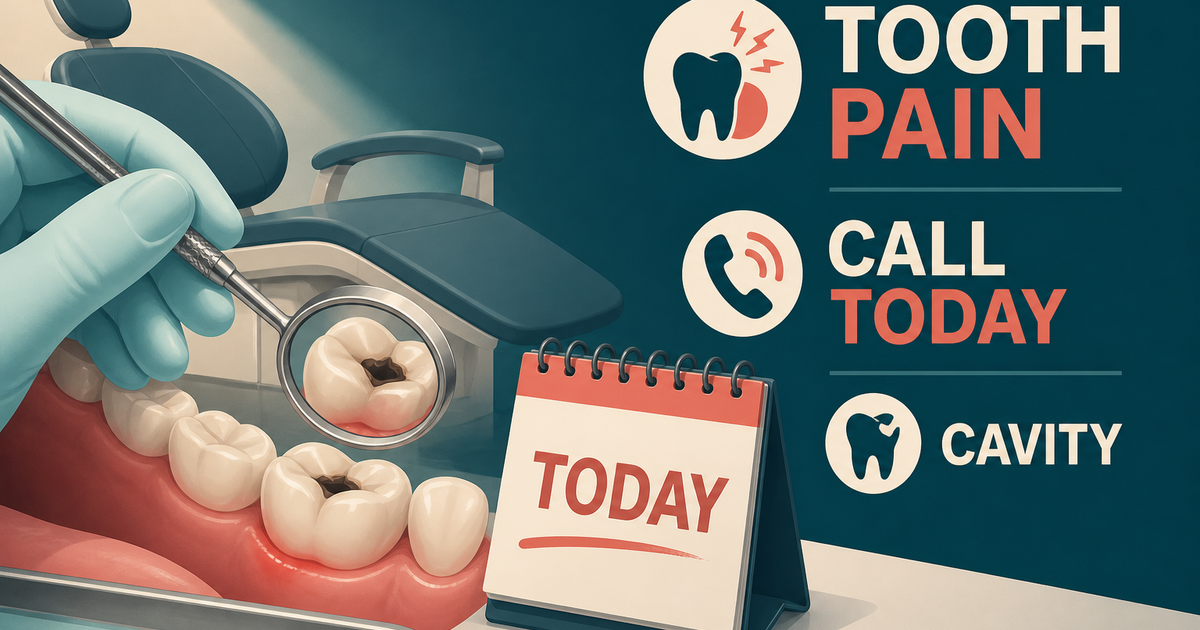
- A cavity can start quietly, but an untreated cavity can progress into a tooth abscess.
- Lip sores and fever blisters are usually different problems from a dental infection.
How long until a tooth infection becomes an emergency?
A tooth infection becomes an emergency the moment it starts spreading beyond the tooth or makes it hard to swallow, breathe, or manage pain safely. That can happen in a short window, and it can also happen after a few days of worsening symptoms, which is why the real answer is symptom-based, not clock-based.
If you want a harder rule, use this one: same-day dental care for a suspected abscess, and emergency room care if swelling reaches the eye, throat, or neck, or if breathing changes. For a more detailed companion guide, see how long until a tooth infection kills you.
"A true fever (temperature over 100.4 degrees Fahrenheit or 38 degrees Celsius) is not associated with teething and is actually a sign of an illness or infection that may require treatment."
HealthyChildren.org
Red flags that a tooth infection is spreading
A spreading tooth infection usually announces itself with swelling, pressure, and pain that gets worse instead of better.
| Red flag | Why it matters |
|---|---|
| Facial swelling | The infection may be moving beyond one tooth. |
| Gum swelling | Local inflammation can be turning into an abscess. |
| A visible tooth abscess or pus pocket | Pus means the infection is active. |
| A bad taste in the mouth | Drainage can signal a deeper problem. |
| Fever | The body may be fighting a broader infection. |
| Trouble opening the mouth fully | The infection may be affecting nearby tissue. |
| Trouble swallowing | This can point to urgent spread. |
| Trouble breathing | This is an emergency right now. |
A local infection may stay near one tooth at first, but spreading bacteria can move into the jaw, face, or deeper tissues. That is why a swollen cheek or a fever changes the situation from “watch it” to “get help now.”
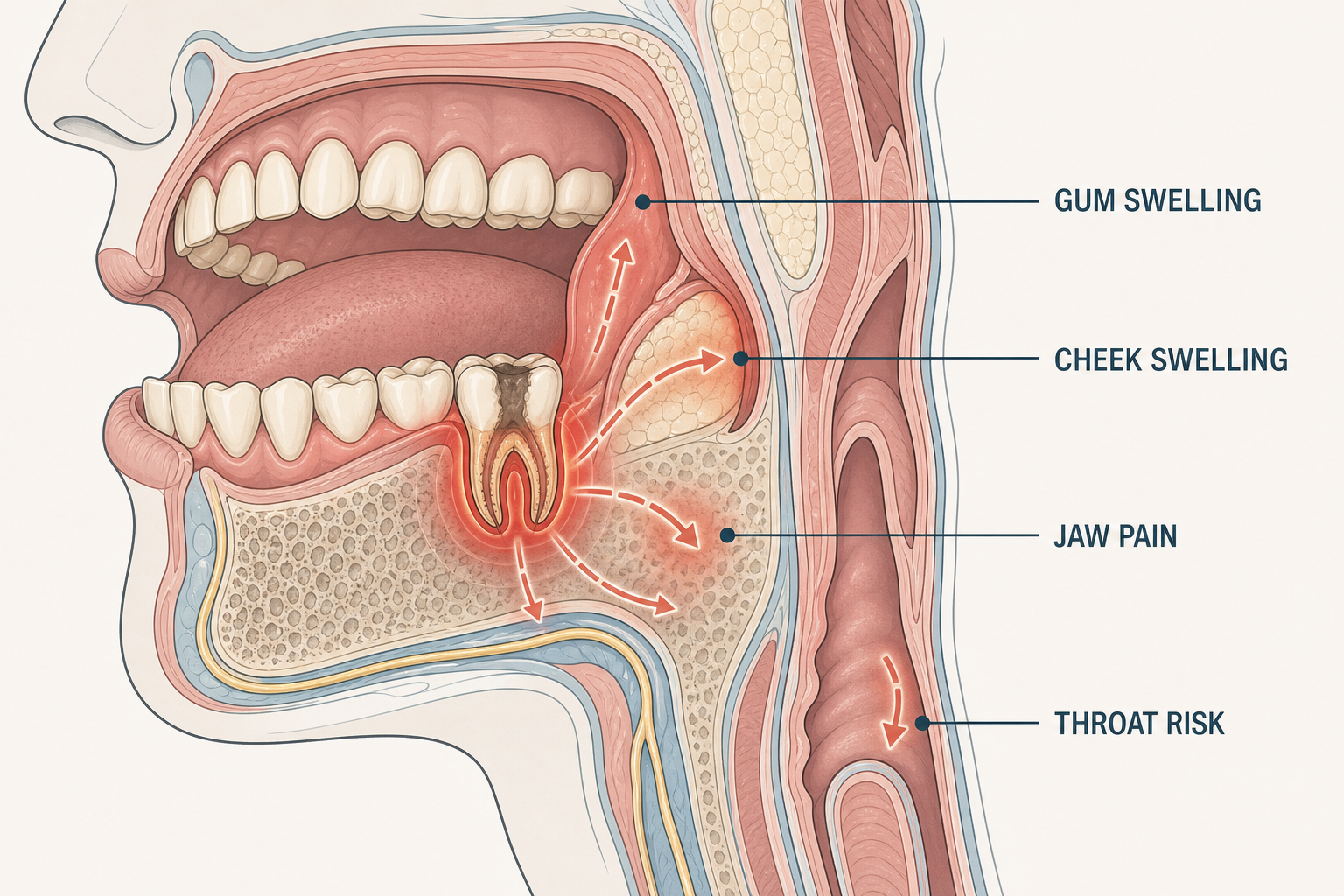
Spread beyond one tooth is what turns a local problem into an emergency.
When should you call a dentist versus go to the ER?
Use the symptoms to choose the next step, not the pain level alone.
Same-day dental care
- Call a dentist for same-day care if you have tooth pain with swelling, a suspected abscess, or a fever but you can still breathe and swallow normally.
- Seek urgent dental care even if the pain is severe but swelling and fever are not present, because the infection still needs treatment.
- Do not wait for the pain to settle on its own, because a quiet hour can turn into a swollen morning.
Go to the ER now
- Go to the ER now if you have trouble breathing, trouble swallowing, swelling near the eye or neck, confusion, or rapidly increasing facial swelling.
- If symptoms are changing quickly, treat that as an emergency rather than a routine dental problem.
If you are in Georgetown and need help today, start with same-day emergency care. If you want a broader decision guide, this page also helps: when to call the dentist for a dental emergency.
How long can a tooth infection go untreated?
A tooth infection can stay mild for a while, but it can also become dangerous in hours, days, or longer depending on the person, the tooth involved, and whether the infection has a way to drain.
Trusted medical and dental sources consistently advise prompt evaluation. The Mayo Clinic describes a tooth abscess as a pocket of pus caused by a bacterial infection, while the Cleveland Clinic notes that abscesses need professional treatment and can spread if ignored. The American Dental Association and Texas Dental Association also steer patients toward prompt dental evaluation when infection signs appear.
The safest takeaway is simple: do not wait for a dramatic deadline. Once swelling or fever starts, the infection has already crossed into urgent territory.
How do you tell a cavity from something more urgent?
A cavity often starts quietly, while an infection usually hurts louder and looks worse.
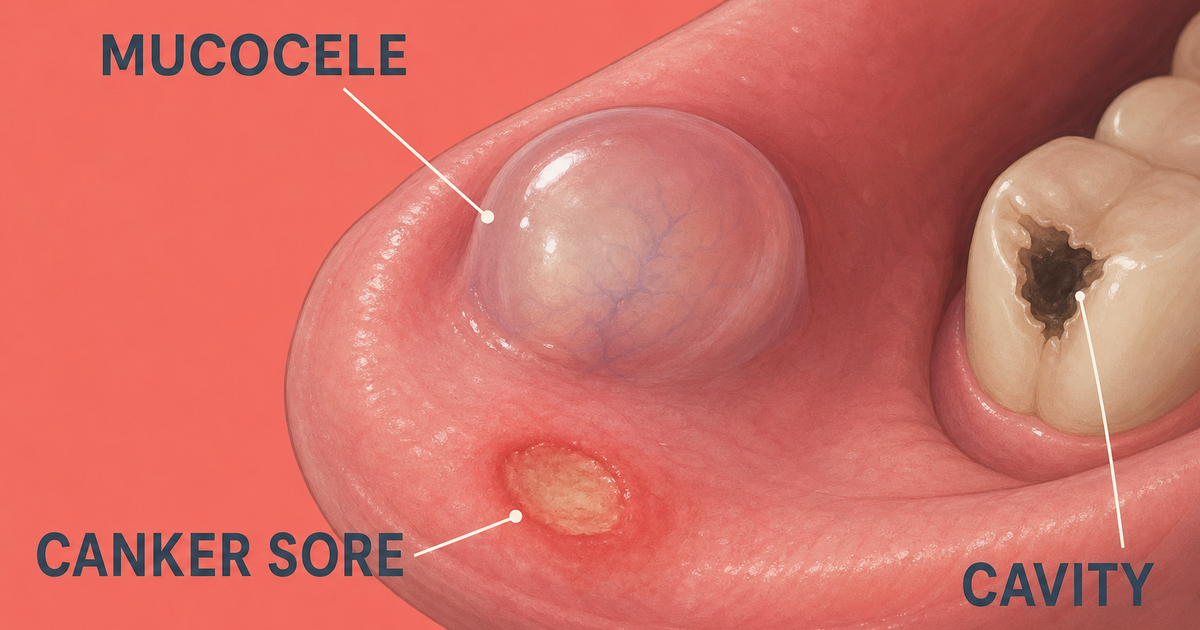
If you are wondering how do i tell if it's a cavity, look for a spot, stain, or sensitivity that has not yet caused swelling or fever. A cavity can begin as a chalky white mark, a brown spot, or a small dark area on enamel. That is also why people search for what does a stage 1 cavity look like when they are trying to catch decay early.
A cavity can turn into a bigger problem if it is left alone. But a cavity by itself is not always an emergency. The urgent shift happens when pain becomes constant, the gum swells, or the tooth starts to feel infected rather than just sensitive.
What does a stage 1 cavity look like?
A stage 1 cavity usually looks like early enamel damage, not a hole you can always feel with your tongue.
It often appears as a chalky white patch, a faint brown shadow, or a rough area on the tooth surface. In plain language, what do a cavity look like and what do dental caries look like are often answered by the same early signs: discoloration, a dull spot, or sensitivity to sweets and cold.
Early decay is easier to treat than an abscess. That matters, because once decay reaches deeper layers, bacteria can move closer to the nerve and trigger the kind of pain that pushes a routine problem into an urgent one.
Could a pimple inside the lip or fever blisters mean a tooth infection?
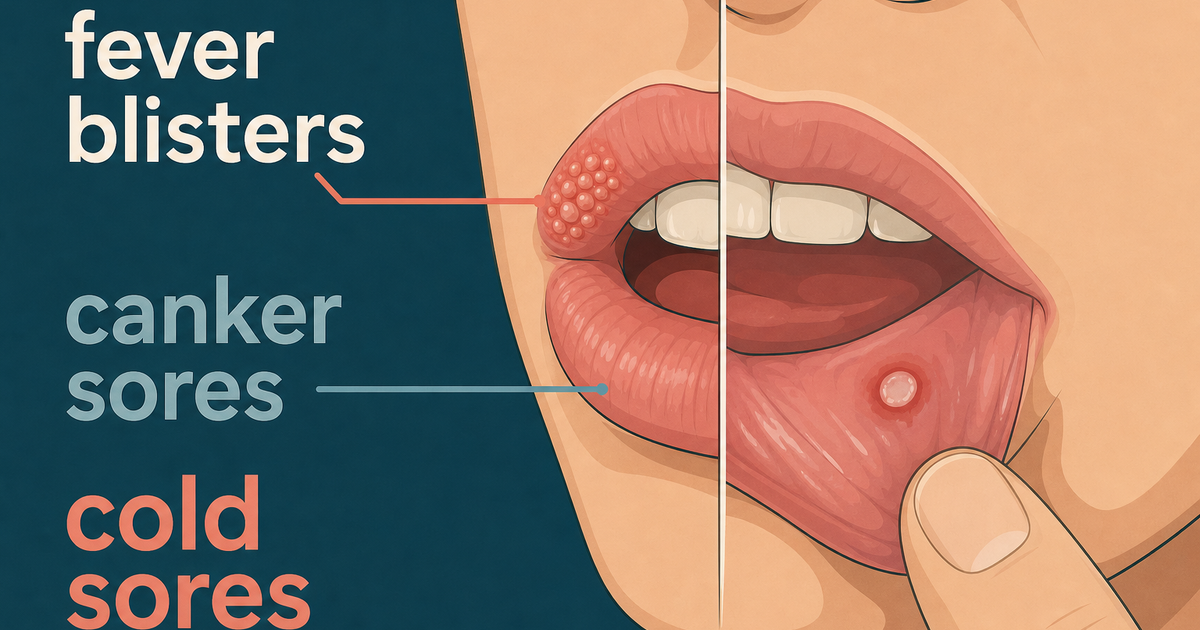
Usually, no. A pimple inside lip is often a different problem from a tooth infection, and fever blisters are commonly linked with cold sores rather than dental abscesses.
That said, mouth sores can confuse people because they all look like something that should not be there. A pimple-like bump may be irritation, a mucocele, or another harmless-looking mouth issue, while a fever blister usually shows up on or near the lip and tends to follow a different pattern than tooth pain.
If the sore comes with tooth pain, facial swelling, fever, or a bad taste in the mouth, do not assume it is just a lip problem.
How to get rid of canker sores safely while you watch for infection signs?
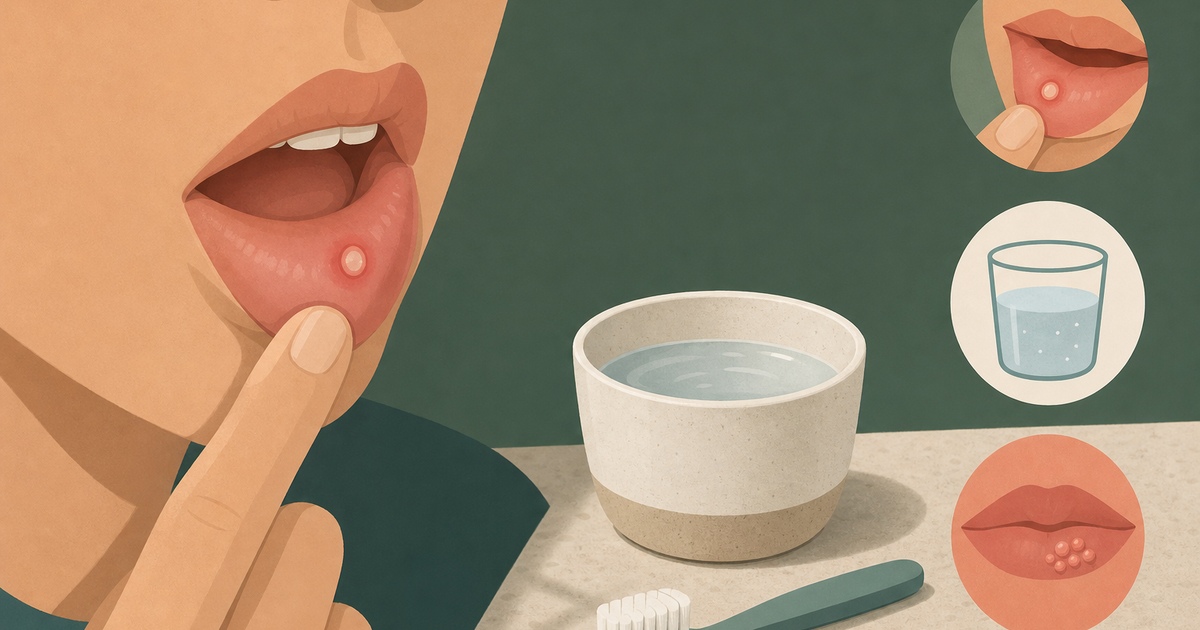
How to get rid of canker sores is a comfort question, not an emergency plan.
If the sore is small and there is no swelling, fever, or tooth pain, gentle rinses, avoiding spicy or acidic foods, and protecting the area from irritation can help it settle. For more practical relief ideas, see how to get rid of canker sores.
Keep watching closely if the sore does not improve, gets larger, or starts to appear alongside a painful tooth. Persistent sores and dental pain together deserve a dental exam, not guesswork.
What should you do right now if you think you have a tooth infection?
If you think you have a tooth infection, contact a dentist immediately and move to emergency care if breathing or swallowing changes.
Immediate steps
- Call for same-day dental care now if you think you have an abscess, swelling, or fever.
- Avoid heat on the area.
- Do not try to pop, drain, or squeeze anything yourself.
- Stay hydrated if you can swallow comfortably.
- Keep the painful side clean without aggressive brushing.
Escalation triggers
- Go to the ER if breathing or swallowing is affected.
- Seek emergency help if swelling is moving toward the eye, neck, or throat.
- If you are unsure whether your symptoms are dental or medical, err on the side of getting checked the same day.
If you need urgent help in Georgetown, the next step is emergency dentist Georgetown TX.
Frequently asked questions
Will a cavity heal itself?
No, a cavity will not heal itself once enamel has broken down. Early decay can sometimes be stopped or reversed before it becomes a true cavity, but a visible cavity needs dental treatment before it can deepen and contribute to infection.
How do I tell if it's a cavity?
A cavity often shows up as a white, brown, or dark spot, plus sensitivity to cold, sweets, or brushing. If you also have swelling, fever, pus, or throbbing pain, that points more toward infection than a simple cavity.
What does a stage 1 cavity look like?
A stage 1 cavity usually looks like a chalky white area or a faint discolored spot on the enamel. It may not hurt yet, which is why it is worth catching early with a dental exam.