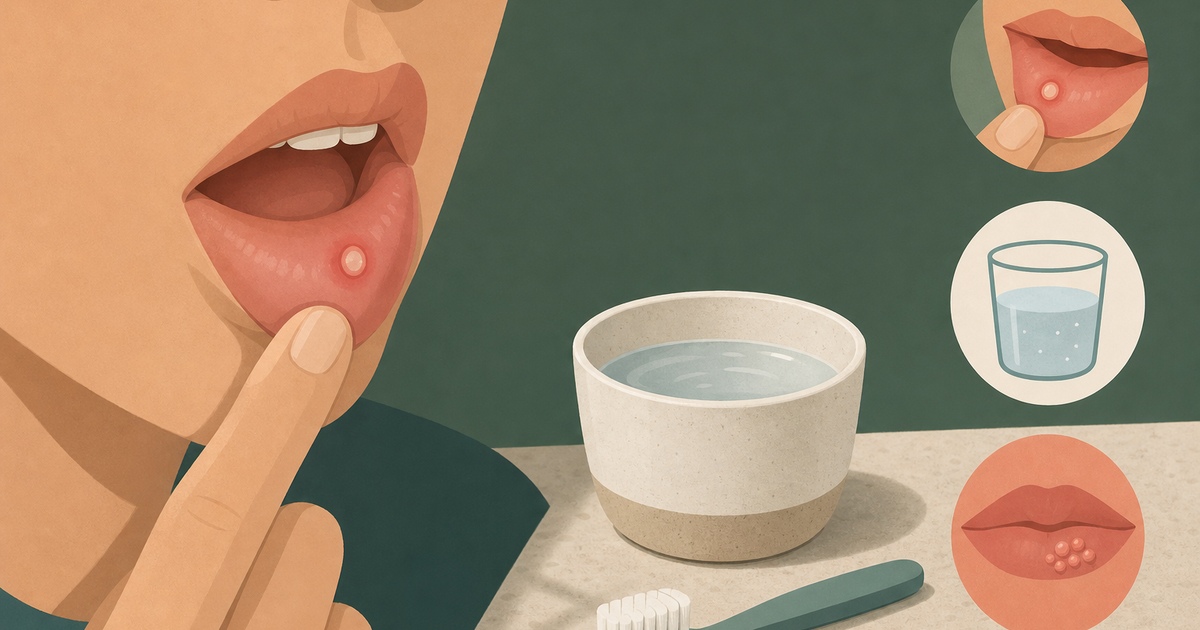
As of July 2026, the safest answer to how to get rid of canker sores is simple: keep the sore clean, reduce irritation, and let it heal while you control pain. Most canker sores, also called aphthous ulcers, improve on their own within 1 to 2 weeks. If the sore is on the outside of the lip, is crusting, or comes with fever or swelling, it may be fever blisters or something more serious instead.
Key takeaways
- Most canker sores heal on their own within 1 to 2 weeks, so the goal is to avoid making the sore worse.
- A salt water rinse canker sore routine, soft foods, and gentle pain relief are the safest first steps.
- A canker sore is a soft-tissue ulcer inside the mouth, not a cavity, not a pimple inside lip, and not fever blisters.
- Call a dentist or doctor if the sore lasts longer than 2 weeks, keeps coming back, or comes with fever, swelling, or trouble swallowing.
How to get rid of canker sores safely
The fastest safe approach is to stop irritating the sore, rinse gently with salt water, and use a pain reliever or oral gel as directed. That is the best answer for how to get rid of canker sores without turning one sore into several. The Mayo Clinic and Cleveland Clinic both note that canker sores usually clear on their own, and the American Dental Association recommends checking persistent or severe mouth sores rather than trying harsh home fixes.
Start with a simple routine. Mix warm water with salt, swish gently for about 15 to 30 seconds, then spit it out. Repeat this a few times a day if it feels soothing. Choose bland, cool, soft foods such as yogurt, oatmeal, applesauce, scrambled eggs, or smoothies, and avoid chips, citrus, salsa, and very hot drinks until the sore settles.
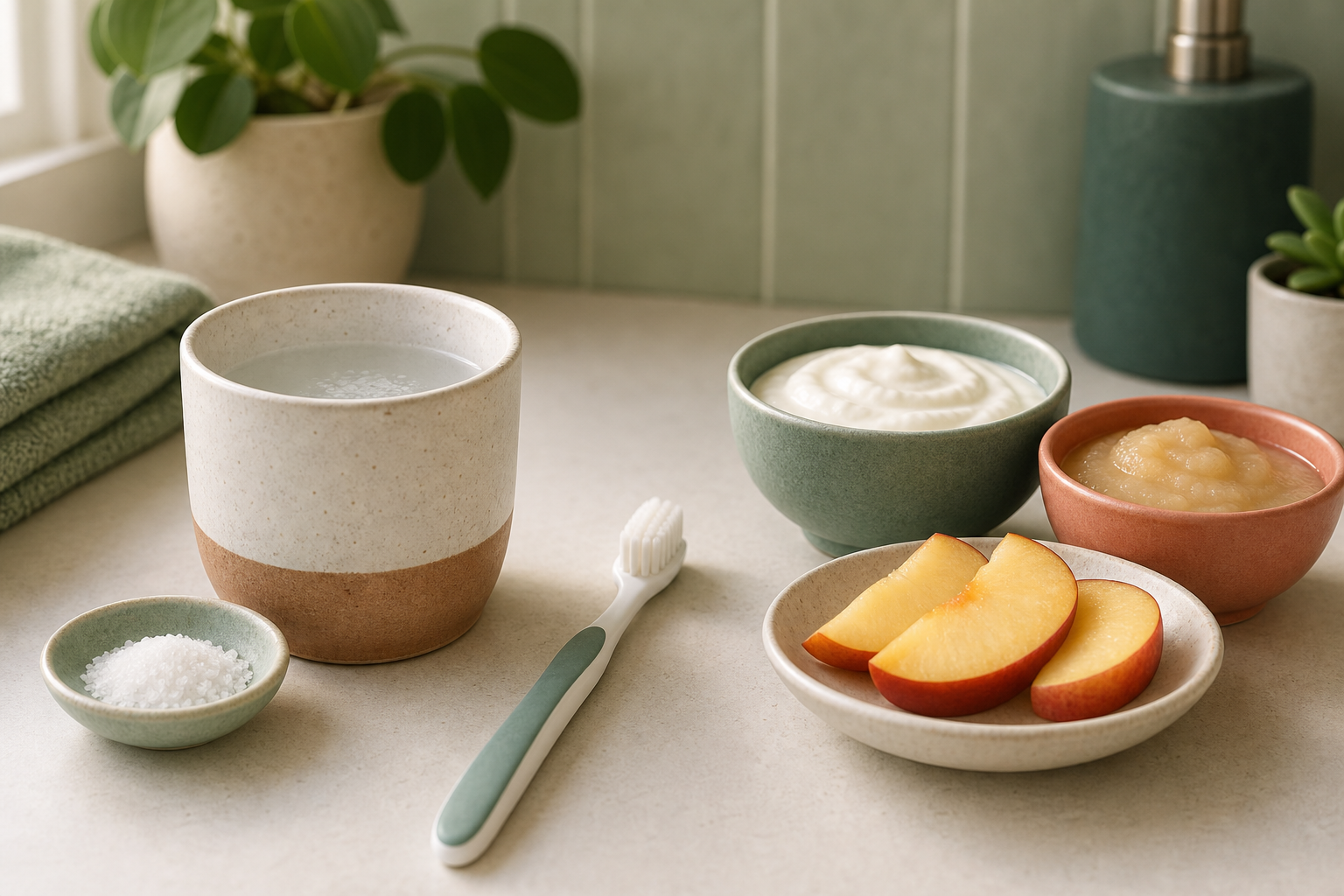
A simple routine can calm irritation without making the sore worse.
Do not pick at the sore, rub it with a toothbrush, or try to pop it. Those habits can reopen the tissue and make the ulcer larger. If you use a topical numbing gel, stop if it burns sharply or seems to spread irritation instead of calming it.
Note: If you bite the same area again and again, look for the source. A sharp tooth edge, rough filling, or braces wire can keep the sore from healing.
What is a canker sore?
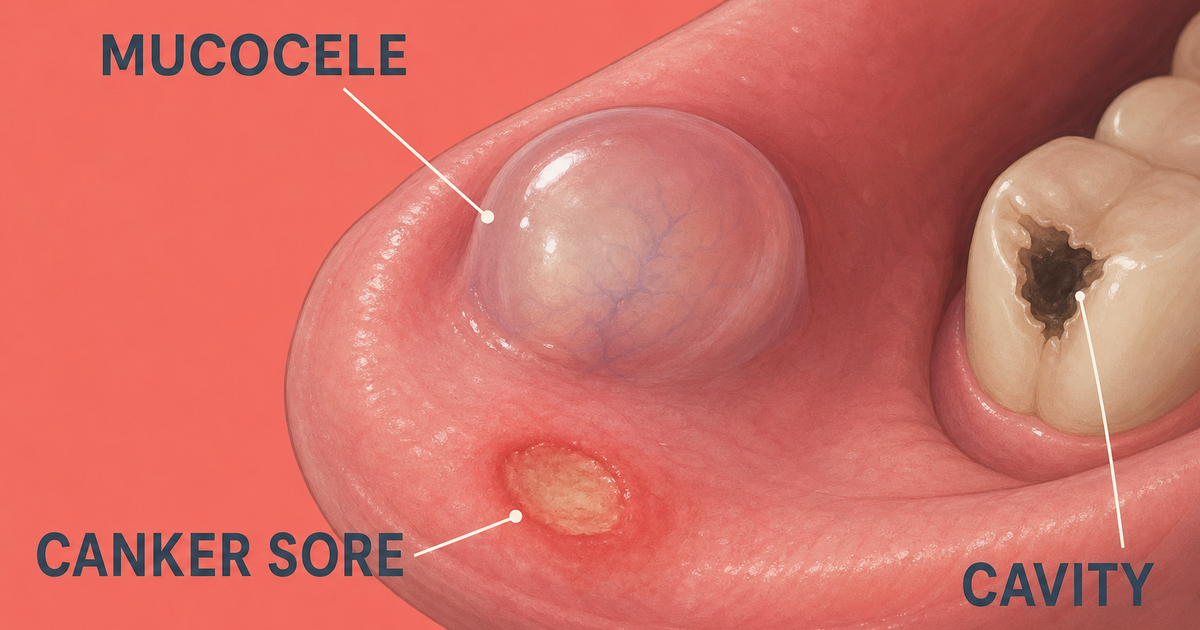
A canker sore is a painful ulcer inside the mouth, usually on the inside of the lips, cheeks, tongue, or soft tissue. It often looks white, yellow, or gray in the center with a red border, and it is not contagious. That is why a sore on the inside of the mouth behaves very differently from fever blisters on the lip edge.
People often use the term canker sore for any mouth pain, but the pattern matters. Canker sores are shallow open sores, not fluid-filled bumps. They can sting when you eat, brush, or talk, but they usually heal without scarring.
If you want a plain-language visual guide, our post on what dental caries look like can help separate tooth surface changes from soft-tissue sores.
What causes canker sores?
Most canker sores start with irritation, not infection. Common triggers include cheek biting, stress, acidic foods, sharp dental edges, braces, or brushing too hard. Some people also notice flares when they are run down or when the mouth tissue is already inflamed.
There is no single cause for every case, which is why recurring sores can feel frustrating. If a sore keeps returning in the same spot, the mouth may be getting rubbed by a tooth edge or a restoration. In that situation, the fix is often not more medicine, but less friction.
A few patterns deserve extra attention. Very frequent sores, large ulcers, or sores that come with other symptoms may need a dental or medical review to rule out nutritional problems or other health conditions.
How do I tell if it's a cavity?
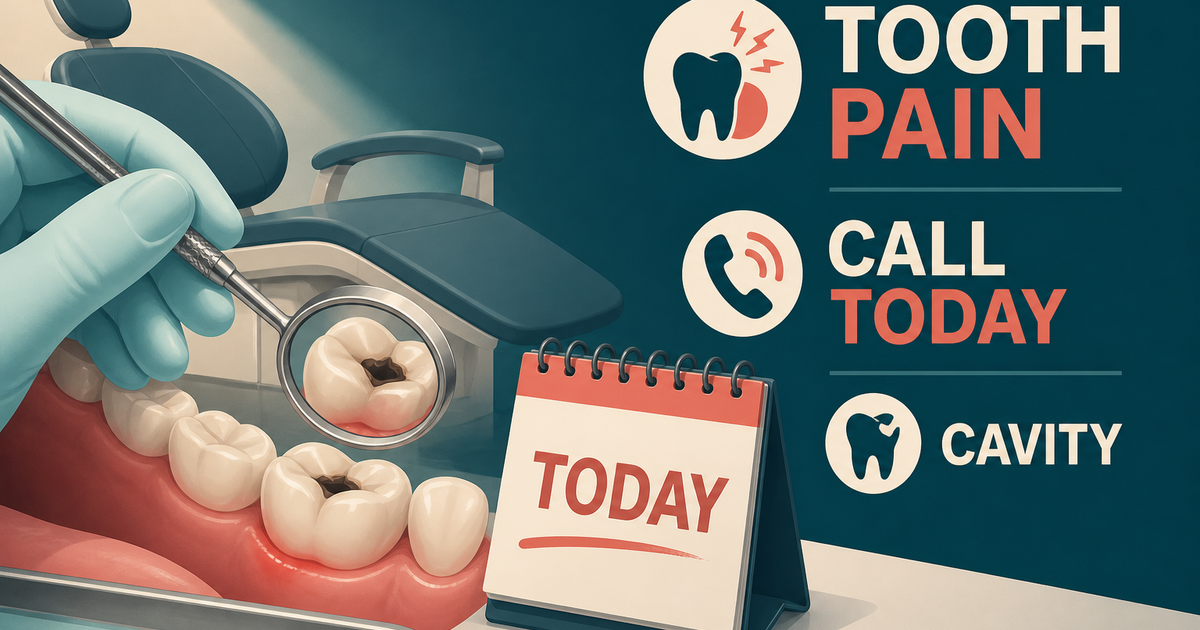
A cavity affects the tooth, while a canker sore affects the soft tissue inside the mouth. If the pain is centered on a tooth and you notice sensitivity to cold, sweets, or biting, decay is more likely than a canker sore. If the pain is on the inner lip or cheek and looks like a raw ulcer, that points more toward a canker sore.
What do a cavity look like? Early changes can appear as a chalky white spot, then turn brown, black, rough, or pitted as the enamel breaks down. What do dental caries look like? They may start small, but they can progress into a visible hole or soft area on the tooth surface.
For a deeper visual comparison, our guides on what do cavities look like and stage 1 cavity signs show the difference between early decay and a mouth sore. If the spot is on a tooth, it is not a canker sore.
Is it a cold sore or fever blisters?
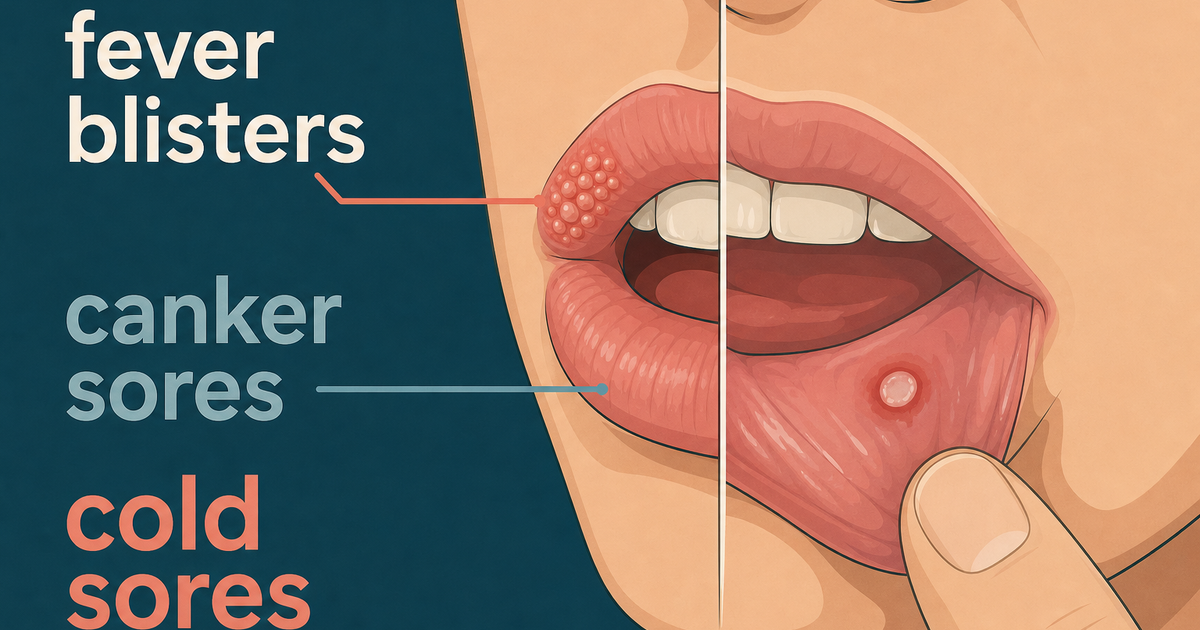
A sore on the outside edge of the lip with tingling, burning, or crusting is more likely cold sores or fever blisters than a canker sore. Fever blisters usually cluster on or near the lip border, while canker sores form inside the mouth. That distinction matters because the care, contagious risk, and healing pattern are different.
Cold sores and fever blisters are caused by the herpes simplex virus and can spread through close contact during an outbreak. Canker sores are not contagious. If the sore starts as a blister and then crusts, it is usually not a canker sore.
When readers are unsure, the practical question is location. Inside the mouth points toward a canker sore. On the lip edge points more toward fever blisters.
Could it be a pimple inside the lip?
A pimple inside lip is often not a pimple at all. It may be a mucocele, a blocked minor salivary gland, or an irritated bump from biting or friction. Those bumps are usually smooth or dome-shaped, while a canker sore is more often an open, painful ulcer.
That is why squeezing or biting the bump is a bad idea. It can inflame the tissue, make it swell, or turn a small issue into a longer one. If the bump keeps coming back, grows, or never fully goes away, it should be checked.
For a closer look at this common lookalike, see our guide to pimple inside lip. It explains when a lip bump can be watched at home and when it should be examined.
What helps at home, and what can make it worse?
The safest home care is boring on purpose. Rinse gently, eat soft foods, keep the area clean, and avoid anything that stings. A salt water rinse canker sore routine is usually the most reliable first step because it cleans the area without burning it.
Use this simple checklist:
- Rinse with warm salt water a few times a day.
- Choose cool, bland foods.
- Brush gently with a soft toothbrush.
- Avoid alcohol-based mouthwash if it stings.
- Pause spicy, acidic, crunchy, or very hot foods.
- Stop any product that makes the sore feel raw or larger.
Tip: If you need pain relief, use an over-the-counter option exactly as the label directs. More is not better when the tissue is already irritated.
The things that make canker sores worse are usually the same things that seem like they should help: strong rinses, harsh scrubbing, and DIY remedies that burn. If it hurts immediately and intensely, it is probably too aggressive for the tissue.
When should you call a dentist or doctor?
You should get checked if the sore lasts longer than 2 weeks, keeps returning, is unusually large, or makes eating and drinking difficult. Persistent sores are not something to keep treating blindly at home. The American Dental Association advises evaluation when mouth sores do not heal as expected.
Call sooner if you have fever, spreading swelling, trouble swallowing, or severe pain. Those signs suggest something beyond a simple canker sore. If you are in Georgetown and need same-day help, our emergency care page explains how to get urgent attention.
If you also notice weight loss, unusual fatigue, or sores in several areas of the mouth, do not wait. That pattern deserves a prompt exam.
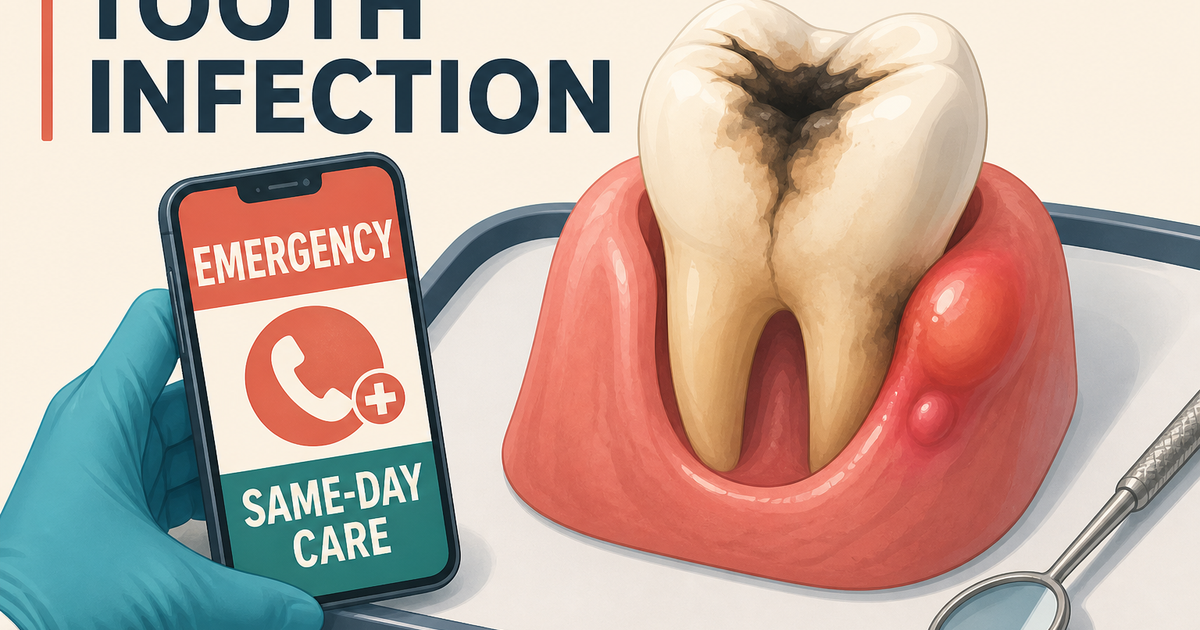
How long until a tooth infection kills you?
There is no safe timeline to wait on a tooth infection, because it can spread unpredictably. A serious infection can become dangerous quickly if it reaches the jaw, face, or bloodstream. That is why the right move is urgent care, not guessing how long you have.
This is a different problem from a canker sore. If you have facial swelling, fever, worsening pain, trouble swallowing, or trouble breathing, seek emergency care right away. For more detail on warning signs, see our guide on how long until a tooth infection kills you.
If you need same-day treatment in Georgetown, our emergency dentist page is the fastest place to start.
Quick FAQ
What should you do first for a canker sore?
The first step is to reduce irritation with gentle salt water rinses, soft foods, and careful brushing. Most sores improve when the area is left alone and protected from friction.
How can you tell a canker sore from fever blisters?
Canker sores form inside the mouth, while fever blisters usually appear on or near the outside lip and may crust. The location is the easiest clue.
When is a mouth sore not something to treat at home?
A sore that lasts more than 2 weeks, keeps coming back, or comes with fever, swelling, trouble swallowing, or severe pain should be checked by a dentist or doctor.
For broader help with dental questions, you can also visit our FAQs.