If you have dental teeth pain, call today when the pain is lingering, getting worse, or coming with swelling, fever, or trouble chewing. As of August 2026, Cleveland Clinic notes that tooth pain can range from temporary gum irritation to cavities, infection, or a broken tooth that will not get better on its own (Cleveland Clinic toothache guide).
Key takeaways
Dental teeth pain that lasts more than a day or two should not be ignored.
- Swelling, fever, chills, bad taste, or pain when biting can point to infection or a cracked tooth.
- A cavity may look like a brown or white spot, a hole, or sensitivity to sweet, cold, or hot foods.
- A pimple inside lip, canker sore, oral mucocele, or fever blisters can hurt, but they are not the same as tooth pain.
- If swelling makes breathing, swallowing, or speaking difficult, seek emergency care right away.
Call today if the pain is lingering, worsening, or paired with swelling
The safest rule is simple: if the pain does not settle, is getting worse, or comes with swelling, fever, or trouble chewing, call the dentist today. The Mayo Clinic says to call right away if tooth pain lasts more than a day or two or shows up with fever or signs of infection, and the NHS says to seek immediate help if swelling makes breathing, swallowing, or speaking difficult (Mayo Clinic, NHS).
Pain that briefly eases and then returns is still a warning sign. So is pain medicine that only takes the edge off for a short time. If the ache is steady enough to wake someone up, interrupt meals, or make it hard to chew on one side, that is a call-today problem, not a wait-and-see one.
"See a dentist if you have toothache that lasts more than 2 days."
NHS
What dental teeth pain can mean
Dental teeth pain often comes from a cavity, a tooth infection, a cracked tooth, a damaged filling, clenching, or gum disease. Cleveland Clinic lists cavities, abscessed tooth, cracked tooth, damaged dental restoration, teeth grinding or clenching, and gum disease among the common causes of toothache (Cleveland Clinic toothache guide). The NHS includes tooth decay, dental abscess, cracked or damaged tooth, loose or broken filling, infection around a wisdom tooth, braces problems, gum disease, and teeth grinding in its own cause list (NHS toothache page).
That matters because not every toothache means the same thing. A cavity may start as sensitivity, while an abscess or crack can turn into sharper pain when biting or chewing. If the pain seems to come and go but never fully disappears, that pattern fits a cavity or abscess more than a simple irritation.
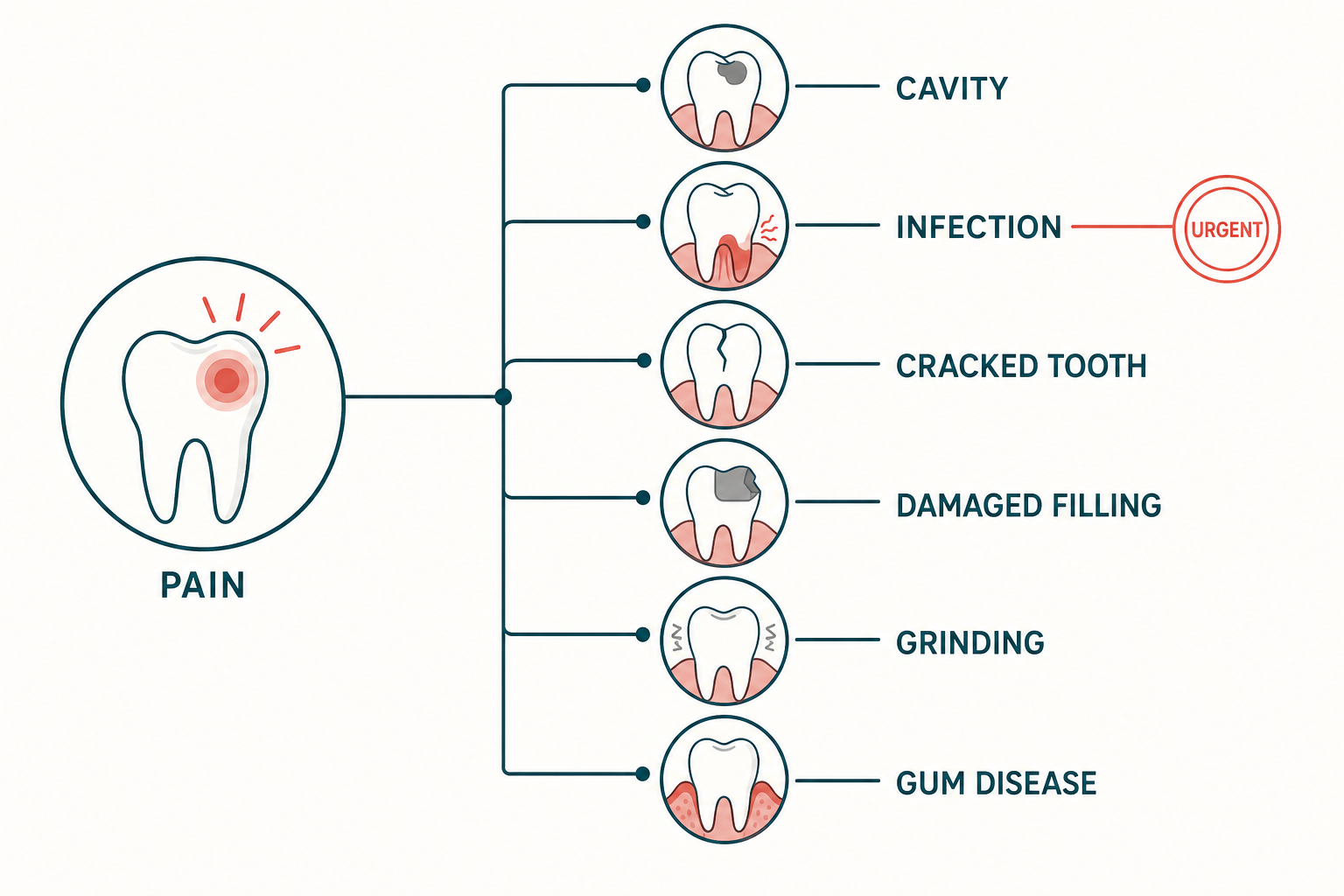
Different pain patterns can point to different causes, which changes how urgently you should call.
How to tell if it's a cavity or dental caries?
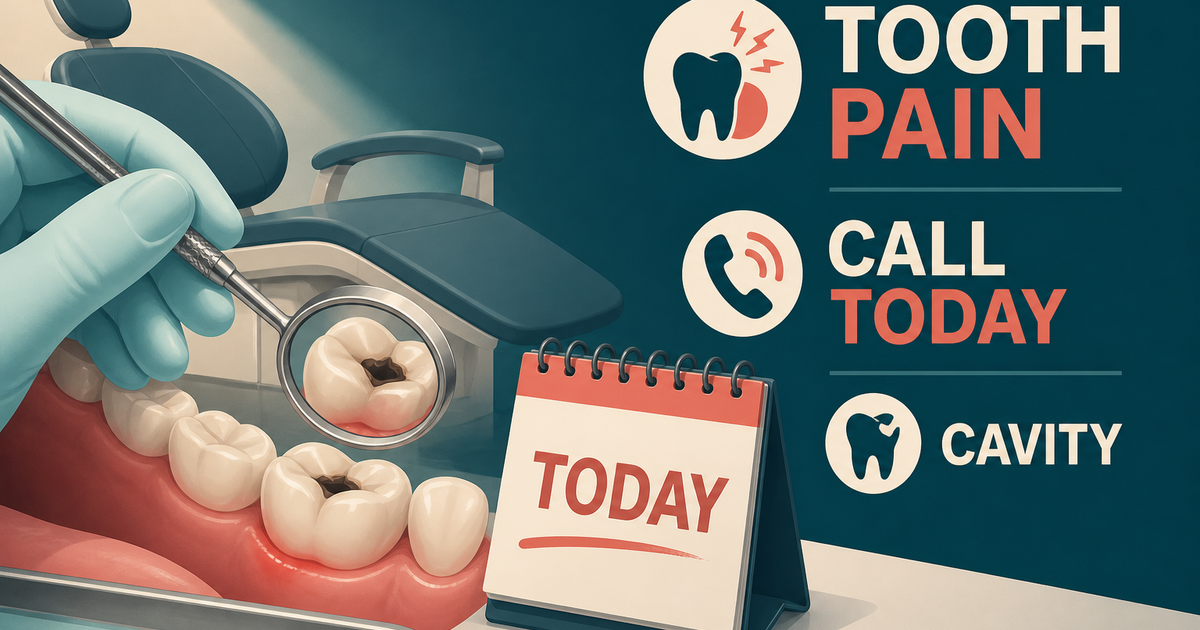
A cavity or dental caries often shows up as a brown or white spot, a small hole, or a tooth that suddenly reacts to sweet, cold, or hot foods. The Mayo Clinic says tooth decay is the most common cause of toothaches for most children and adults, and that decay may show as a brown or white spot on the tooth (Mayo Clinic toothache first aid). UnitedHealthcare also notes that cavities can appear as a hole in the tooth and that pain often starts once inflammation reaches the nerves (UnitedHealthcare dental pain article).
For readers asking what do a cavity look like or what do dental caries look like, the practical answer is this: early decay may look small, pale, or easy to miss, but it can still hurt when the surface breaks down enough to expose deeper layers. If you want a visual reference, see our guides on what cavities look like and what dental caries look like.
If the tooth also feels sensitive when you sip something cold or bite into something sweet, that is another reason to call. If the spot has become a visible hole or the pain is no longer coming and going, the chance that it will settle on its own drops fast.
Could it be a tooth infection or cracked tooth instead?
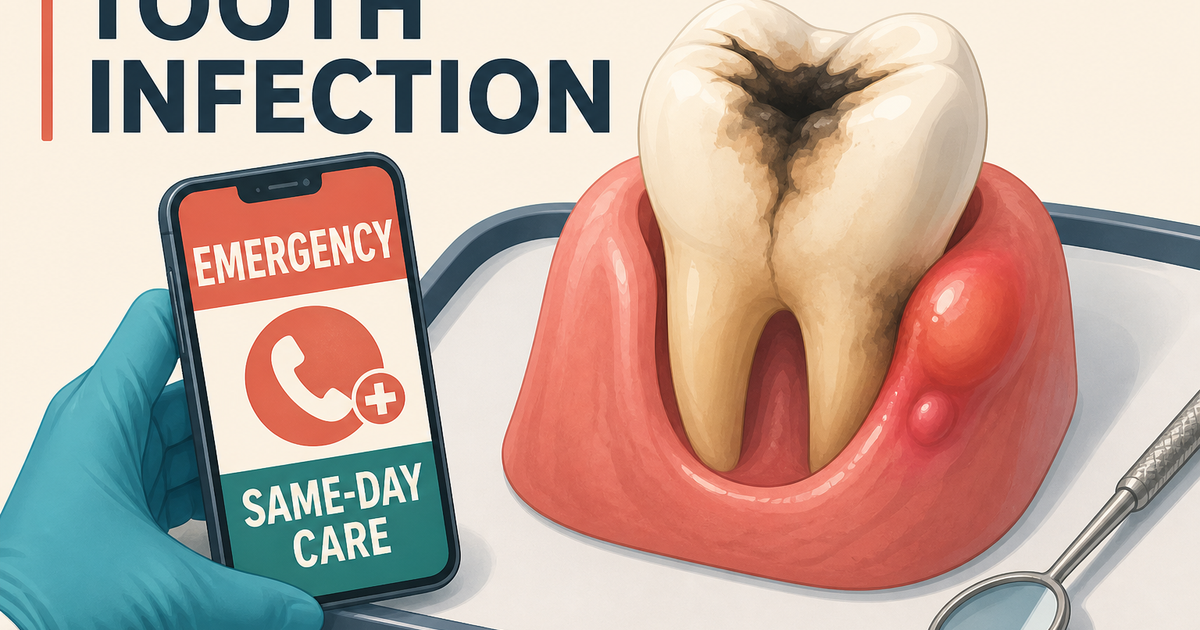
A tooth infection or cracked tooth can feel more intense than a typical cavity, especially when you bite down or when swelling starts. Cleveland Clinic says unbearable tooth pain with fever and chills is a dental emergency, and that infection in the mouth can spread to the brain and bloodstream (Cleveland Clinic toothache guide). The same source says a toothache may come from a broken tooth or bacterial infection, not just decay.
Watch for pain when biting, red gums, bad taste, drainage, facial swelling, or a tooth that suddenly feels tall or different when your teeth meet. Those signs move the problem out of the “maybe later” category. If a filling has broken, a crown feels loose, or you grind your teeth at night, that can also be part of the pain picture, but infection signs are the ones that make the call urgent.
If the pain is severe and lingering, a root canal may be part of the treatment path to save the tooth, which is why a same-day evaluation matters. For readers who are already worried about urgency, our guide on how long until a tooth infection kills you covers the red-flag side of the issue, and root canal therapy explains one common treatment option.
What to do while you are waiting to be seen
Use only short-term comfort steps, and treat them as a bridge, not a fix. Avoid chewing on the sore side, skip very hot or very cold foods, and stay away from hard or sugary snacks that make the pain spike. If swelling is present, do not put heat on the face unless a clinician has told you to do so.
Pain relief medicines may help a little, but if nothing is helping my tooth pain, that is another reason to call today. The goal is to stay comfortable enough to get through the day, not to push the problem aside for a week.
A quick checklist helps:
- [ ] Rinse gently with warm salt water.
- [ ] Brush and floss carefully around the sore area.
- [ ] Use a cold compress on the outside of the cheek if there is swelling.
- [ ] Avoid chewing on the painful tooth.
- [ ] Call if the pain is lasting, worsening, or returning after brief relief.
What if the pain is not in a tooth at all?
A sore spot inside the mouth can be painful without being dental teeth pain, and that is where lookalikes matter. A pimple inside lip, a canker sore, an oral mucocele, or fever blisters can all hurt inside the mouth, but they are soft-tissue problems rather than tooth problems. UnitedHealthcare notes that canker sores are usually small and white and can develop anywhere inside the mouth, including the inside of the cheeks or lips (UnitedHealthcare dental pain article).
If the sore is on the inside of the lip and looks like a bump rather than a tooth issue, our post on pimple inside lip can help you tell the difference. If the spot seems more like a mouth ulcer, see our guide on how to get rid of canker sores, and for cold-sore style lesions, read fever blisters vs canker sores.
That distinction matters because a sore on the lip or cheek can distract from the real source of the pain. If the tooth itself is tender to pressure, hot, cold, or sweets, keep thinking dental. If the pain is mainly from a surface sore, the next step is different.
When the answer is emergency care, not just a same-day call
Go to emergency care if swelling makes breathing, swallowing, or speaking difficult, or if severe pain comes with fever and chills. The NHS says immediate emergency help is needed when swelling affects those functions, and Cleveland Clinic says unbearable tooth pain with fever and chills is a dental emergency (NHS toothache page, Cleveland Clinic toothache guide).
That is the line where waiting is no longer appropriate. If the face is swelling quickly, the pain is spreading, or the person feels sick in a way that goes beyond a normal toothache, the problem may be moving beyond the tooth itself.
Do not try to tough it out overnight if the symptoms are escalating fast. Call emergency dental care or go to urgent medical care based on how severe the symptoms are.
What Shape Dental can do next
If the pain is lingering, worsening, or paired with swelling or fever, Shape Dental can help identify the source and calm it safely. That may mean an exam, X-rays, or a treatment plan for decay, infection, a cracked tooth, or a soft-tissue lookalike. For Georgetown families, the goal is straightforward: honest answers, gentle care, and same-day help when the situation needs it.
If you are not sure whether to wait or call, start with the rule in this article. Pain that lasts more than a day or two, pain medicine that is not helping, or symptoms that are getting worse should move you toward care today. If you need a local next step, our emergency dentist in Georgetown, TX page explains how same-day help works, and our broader guide on when to call the dentist can help you decide what comes next.
Frequently asked questions
How do you stop a toothache?
You can reduce a toothache temporarily by avoiding chewing on the sore side, rinsing gently with warm salt water, and using a cold compress if there is swelling, but those steps do not fix the cause. If the pain lasts more than a day or two, or keeps coming back, call the dentist.
What painkillers are good for toothaches?
Common over-the-counter pain relievers can ease tooth pain for a short time, but they should not be used to delay care when the pain is lingering or severe. If medicine is not helping much, that is a sign the tooth needs a dental evaluation.
Will a cavity heal itself?
No, a cavity will not heal itself. Decay can slow down, but once the tooth structure has been damaged, it usually needs professional treatment such as a filling before it worsens.
What if nothing is helping my tooth pain?
If nothing is helping my tooth pain, call today. Persistent pain, swelling, fever, bad taste, or pain when biting can signal a cavity, abscess, or crack that needs prompt care.