As of September 2026, teeth without enamel usually look darker, rougher, and less glossy than healthy teeth. In the earliest stage, you may see chalky white patches; in later stages, the tooth can look yellow, brown, pitted, or visibly chipped because the underlying dentin is showing.
Key takeaways
- Teeth without enamel usually look yellow, brown, chalky, or translucent at the edges.
- Enamel loss starts with demineralization, then progresses to surface breakdown, dentin exposure, and, if untreated, pulp infection.
- Enamel cannot grow back, but early weak spots can often be strengthened before they become cavities.
- Acid, frequent sugar exposure, grinding, and reflux destroy teeth the fastest.
- A dentist may use fluoride, sealants, fillings, bonding, crowns, or root canal treatment depending on how far the decay has gone.
What do your teeth look like with no enamel?
Teeth without enamel often look thin, dull, and yellowish because the darker dentin underneath starts to show through. The edges may look translucent, almost glass-like in bright light, and front teeth can appear shorter or jagged when the outer shell has worn down.
The earliest visual clue is usually a chalky white area that does not match the rest of the tooth. That patch can later turn into a black spot on tooth surfaces, a rough groove, or a small crater if decay keeps moving. If you are comparing your own mouth to pictures of teeth without enamel, look for a loss of shine first, then check for color changes, uneven edges, and surface pitting.
Healthy enamel reflects light and looks smooth. Once it thins, the tooth starts looking more matte and less even. The change is subtle at first.
Note: If a tooth suddenly looks dark, sharp, or hollowed out, that is more than a cosmetic issue. It can mean the damage has reached deeper layers.
Teeth anatomy: How enamel protects your smile
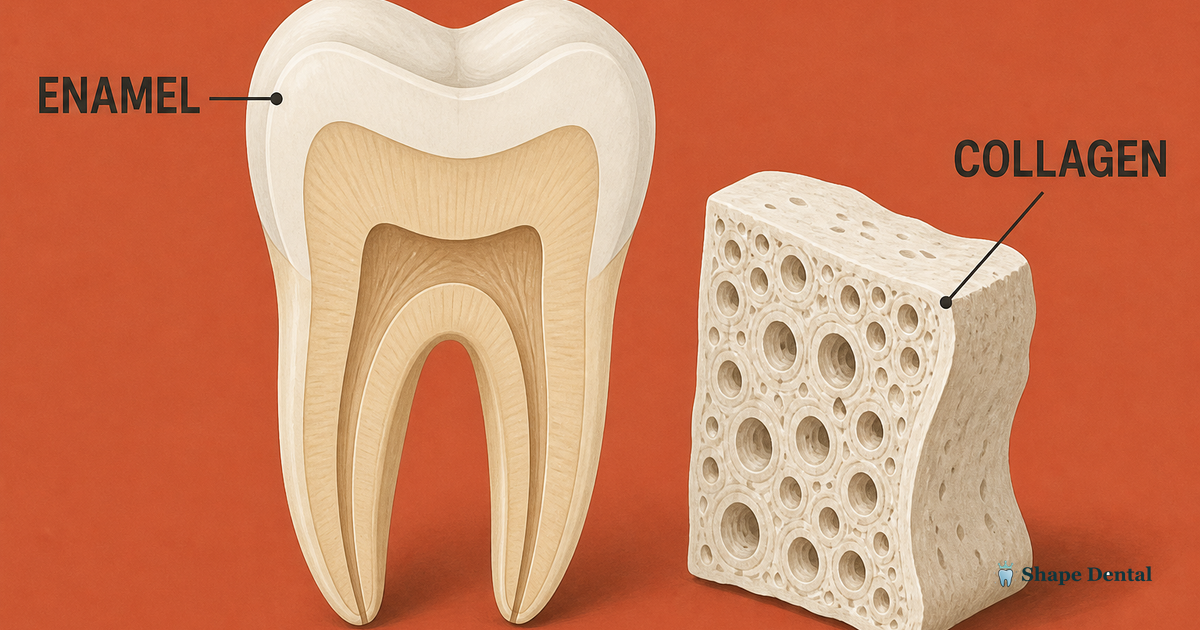
Teeth anatomy matters here because the outer layer does most of the visible work. Enamel is the hard shell on top, dentin sits underneath it, and the dental pulp lives in the center with nerves and blood vessels. Once enamel is gone, the tooth loses its main protection against temperature, acid, and bacteria.
Teeth are not the same as bones. They contain calcium and phosphate like bone does, but they do not have bone marrow, and enamel itself has no living cells that can rebuild it on command. If you want a fuller breakdown of that difference, see our guide on are teeth bones.
That is why enamel loss changes both appearance and sensation. The tooth may look thinner, but it can also become sensitive to cold water, sweet foods, or brushing. The deeper the wear, the more the color shifts from white to yellow to brown as dentin shows through.
The 4 stages of enamel loss and decay
Tooth decay usually follows a visible pattern, and the pictures people search for online tend to fit these same four stages. The useful part is that you can often catch it before the tooth breaks down completely.
- Demineralization. The first sign is often a chalky white spot where minerals have started leaving the enamel. This stage may come and go in appearance, especially after drying the tooth, and it is the moment when early care can still make a real difference. If you want a closer look at those first changes, our post on what cavities look like goes deeper into the early signs.
- Surface breakdown. The enamel starts to pit, thin, or chip at the surface. A white area may darken, and small rough edges can appear. This is where decay becomes easier to see, especially on chewing surfaces and between teeth.
- Dentin exposure. Once the enamel opens up, the tooth often looks yellow or brown because dentin is showing. Sensitivity usually rises here, and the cavity may look like a hole rather than a stain. Our guide on what dental caries look like covers how this stage often appears before pain begins.
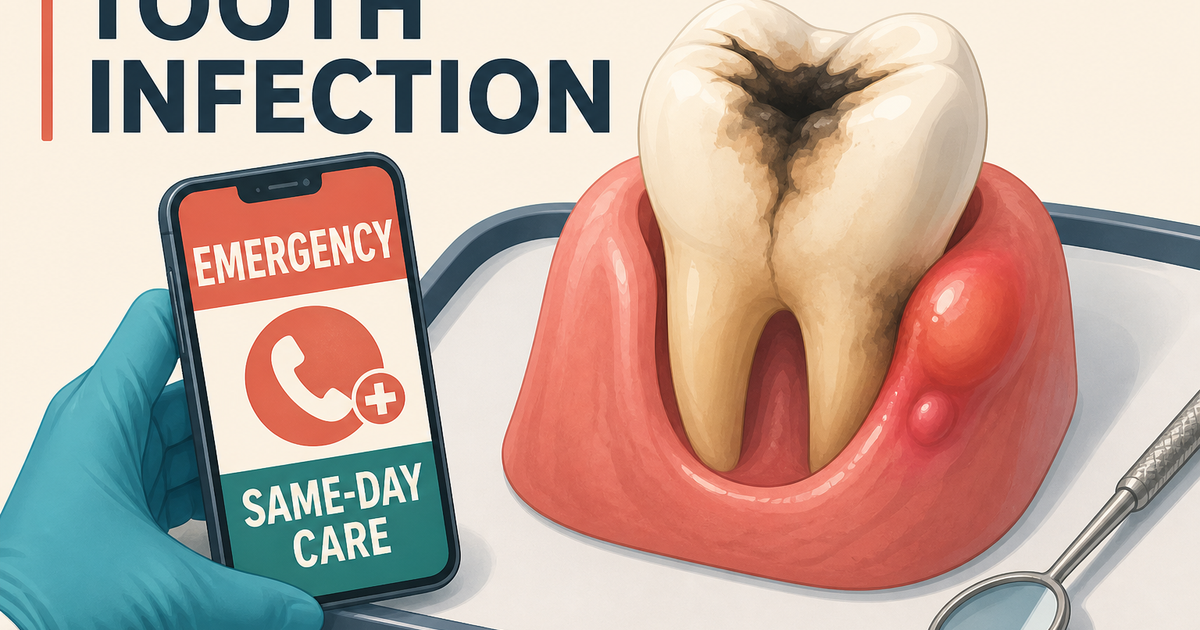
- Pulp infection and severe decay. At this point, the tooth can look deeply broken down, dark, or rotting teeth may show obvious structural collapse. This stage can bring throbbing pain, swelling, bad taste, or a draining abscess, and it can become an emergency quickly. If that is the situation, read our page on how long until a tooth infection becomes an emergency.
Stage by stage, the color usually gets darker, the shape gets rougher, and the surface gets less intact. A tooth that once looked smooth may end up with a cratered center, exposed dentin, and broken edges.
Stage 1: What does demineralization look like?
Demineralization usually looks like a chalky white patch or a dull spot that stands out from the rest of the tooth. It is often easiest to notice after the tooth has dried, and it can sit along the gumline or on chewing surfaces before a real hole forms.
Stage 2: What does enamel breakdown look like?
Enamel breakdown looks like a rougher surface, small pits, or edges that start to chip away. The tooth may lose its shine, and the white area can darken into a more uneven, stained surface.
Stage 3: What does exposed dentin look like?
Exposed dentin usually looks yellow or brown because the layer under enamel is darker than the outer shell. The tooth may also look hollowed in one spot, and sensitivity often starts to show up at this stage.
Stage 4: What does severe decay look like?
Severe decay can look dark, broken down, or truly rotting, with obvious collapse of the tooth shape. It may bring pain, swelling, bad taste, or drainage, and it should be treated as urgent.
What destroys teeth the most?
Acid destroys teeth the most. Most enamel loss starts when bacteria feed on sugar and make acid, but the same kind of damage can also come from acidic drinks, reflux, grinding, and repeated wear.
- Frequent sugar exposure feeds the bacteria that cause Dental Caries, especially when snacks or sweet drinks are sipped often throughout the day.
- Acidic beverages such as soda, sports drinks, and citrus drinks can soften enamel directly.
- Bruxism or clenching can wear the chewing edges down faster than normal.
- GERD or vomiting can bathe teeth in stomach acid and thin enamel over time.
- Enamel Hypoplasia can leave teeth with weak or incomplete enamel from the start.
A review from the National Institute of Dental and Craniofacial Research explains that repeated acid exposure is a major driver of enamel erosion, and the risk rises when that exposure happens often. The practical rule is straightforward: cut back on how often teeth are hit by acid, and ask about care as soon as white spots, rough edges, or sensitivity appear.
Quick ways to limit acid damage
- Sip acidic drinks less often.
- Rinse with water after reflux, vomiting, or acidic drinks.
- Use a soft toothbrush and a gentle touch.
- Schedule care when a white spot or black spot on tooth enamel appears.
What do dentists do if you have no enamel?
When enamel is gone, dentists focus on protecting what is left and rebuilding the tooth in the least invasive way that still works.
Early enamel loss
Early demineralization may be treated with fluoride, sealants, or remineralizing care. The goal is to stop the mineral loss before it becomes a true hole.
Restorative options for deeper damage
Once the surface is broken or the dentin is exposed, the fix becomes structural rather than chemical. That may mean a filling for a small area or a crown when the damage is wider. In some cases, a dentist may recommend bonding, veneers, root canal therapy, or extraction if the tooth cannot be saved.
| Stage of damage | What it may look like | Common dental response |
|---|---|---|
| Early white-spot loss | Chalky, matte, faintly rough enamel | Fluoride, sealants, home care changes |
| Localized enamel breakdown | Small pits, chips, or black spot on tooth | Tooth-colored fillings or bonding |
| Broad enamel loss | Yellow dentin showing, thin edges | Crowns or veneers in selected cases |
| Deep decay | Dark, broken-down, painful tooth | Root canal therapy or extraction |
If the problem is caught early, the goal is usually to stop the mineral loss before it becomes a true hole. That is where preventive care, a gentle exam, and honest treatment planning matter most. In Georgetown, that can include fluoride treatment, dental sealants, or tooth fillings depending on what the tooth actually needs.
DDS meaning is Doctor of Dental Surgery. It simply means the dentist has completed the training required to diagnose decay, read x-rays, and choose the right treatment for damaged enamel, whether that is a conservative repair or a full restoration.
Can lost teeth enamel be restored?
Lost enamel cannot be grown back once it is completely gone, but weakened enamel can often be strengthened before it breaks open. That is why dentists talk about remineralization for early damage and restoration for deeper damage.
When the tooth is still in the demineralization stage, fluoride, improved brushing habits, reduced acid exposure, and in some cases sealants can help. Once the surface is broken or the dentin is exposed, the fix becomes structural rather than chemical. That may mean a filling for a small area or a crown when the damage is wider.
This is also why early diagnosis matters more than people expect. A white patch may look minor, but it can be the last easy chance to avoid a larger repair.
Can teeth survive without enamel?
Teeth can survive for a while without full enamel coverage, but they do not do well without protection. Exposed dentin wears down faster, feels more sensitive, and gives bacteria easier access to the inner tooth.
If the tooth is restored quickly, it can often be kept in place for years. If the decay is left alone, the damage tends to spread into the pulp, which is when pain, swelling, and infection become much more likely. That is the point where the answer is no longer cosmetic, it is urgent.
What does it feel like to have no enamel?
It often feels like sharp sensitivity rather than a steady ache at first. Cold water, ice cream, hot coffee, or sweet foods may trigger a quick sting, and a rough edge may catch the tongue or lip.
As the tooth gets more exposed, the discomfort can linger longer after the trigger is gone. Some people also notice a dull pressure, chewing pain, or a strange “thin” feeling along the tooth edge. The mouth is usually giving clues before the tooth breaks.
How rare is it to have no enamel?
Complete absence of enamel is rare when it comes from developmental conditions, but partial enamel loss from wear and decay is common. Severe cases of enamel hypoplasia or inherited enamel disorders can affect only a small share of people, while everyday enamel thinning from acid and decay shows up much more often in routine dental exams.
That difference matters. Most readers who search for this topic are not dealing with a rare genetic condition. They are usually trying to figure out whether a chalky spot, a yellow edge, or a black spot on tooth enamel needs a dentist.
Frequently asked questions
Can lost teeth enamel be restored naturally?
Lost enamel cannot fully grow back, but early weak spots can sometimes be strengthened with fluoride, better brushing, and less acid exposure. Once a cavity forms, a dentist has to rebuild the tooth with a filling or another restoration.
Can teeth survive without enamel?
They can survive briefly if the tooth is protected quickly, but exposed dentin wears faster and becomes more sensitive. Without treatment, the risk of deeper decay goes up fast.
What does it feel like to have no enamel?
People often feel sharp cold sensitivity first, then lingering pain from hot, cold, or sweet foods. The tooth edge may also feel rough or thin against the tongue.
How rare is it to have no enamel?
True absence of enamel is rare, but enamel wear is common. Most people who notice this problem are seeing erosion, demineralization, or decay rather than a rare genetic condition.
What do dentists do if you have no enamel?
They may use fluoride, sealants, fillings, bonding, crowns, or root canal therapy depending on how much tooth structure is left. The right answer depends on whether the tooth is just weakened or already broken down.
When should you book a dental exam?
Book a dental exam when a tooth looks darker, feels sharp, or becomes sensitive to cold, heat, or sweets. If you see a hole, a deep black spot, swelling, or a bad taste, do not wait.
A quick exam can tell the difference between early demineralization and a cavity that needs repair. If you are in Georgetown and want a clear, gentle explanation of what you are seeing, Shape Dental can check the tooth, explain the options plainly, and help you decide what matters now versus what can safely wait.