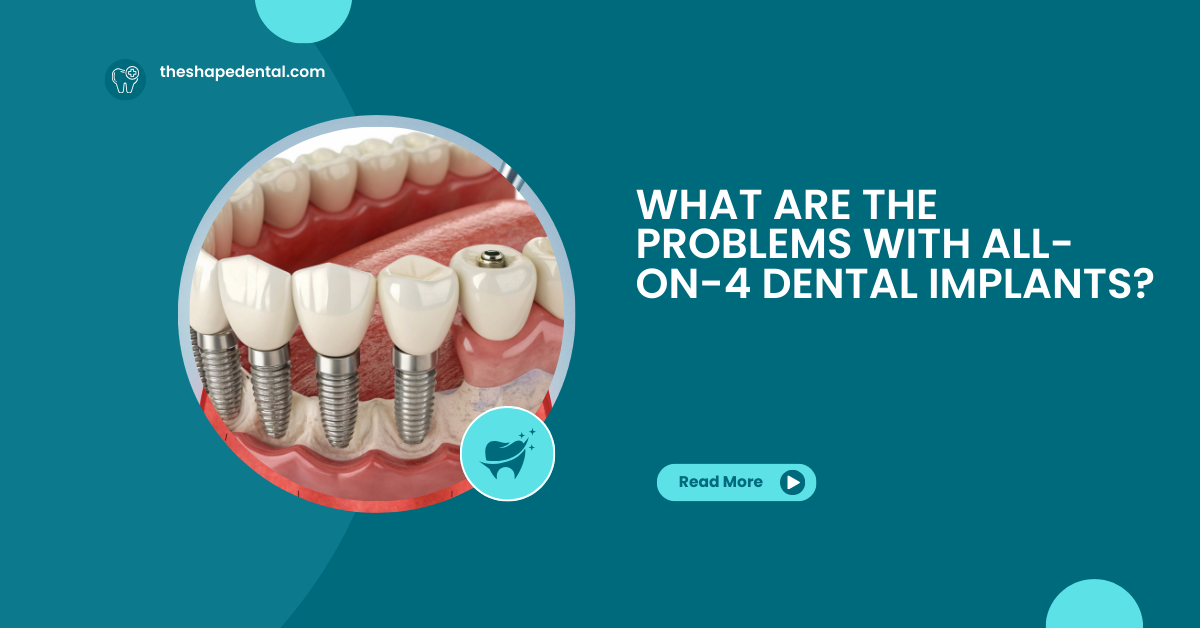
All-on-4 dental implants are a well-known solution for patients with extensive missing teeth who want a fixed alternative to dentures. Using four dental implants to support a full arch can restore function and appearance in a shorter time frame than traditional methods.
However, implant problems can still occur. Understanding the problems with all-on-4 dental implants helps patients make informed decisions and avoid surprises later. This article explains common all on 4 dental implant problems, potential complications, and how proper installation, cleaning, and long-term dental care affect implant success.
What Are All On 4 Dental Implant Problems?
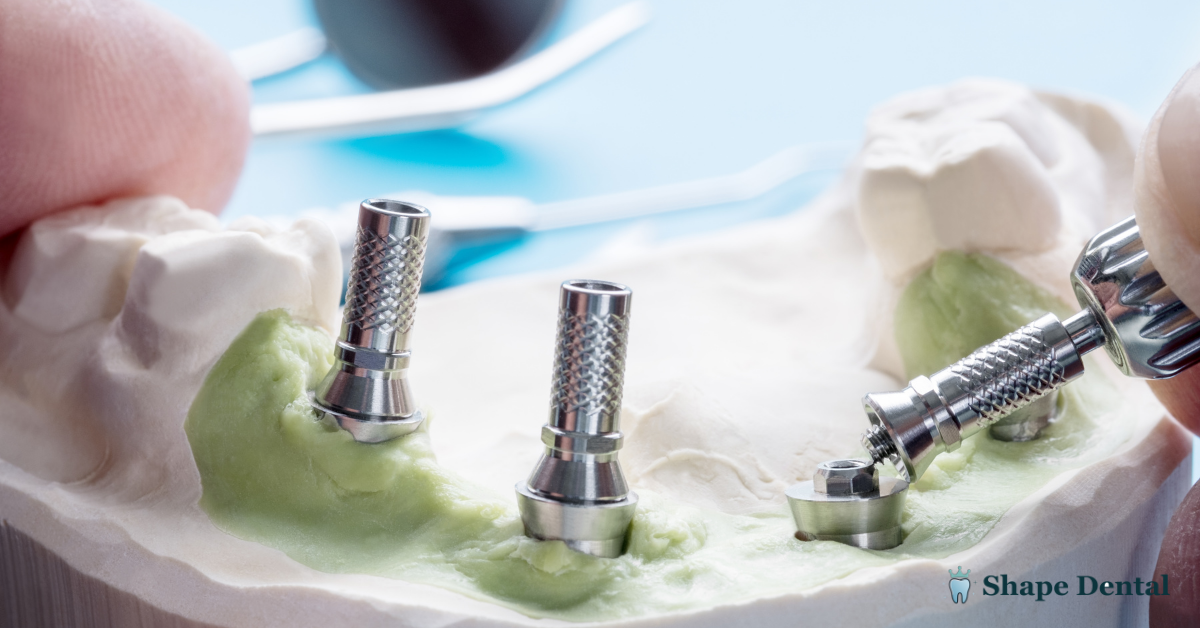
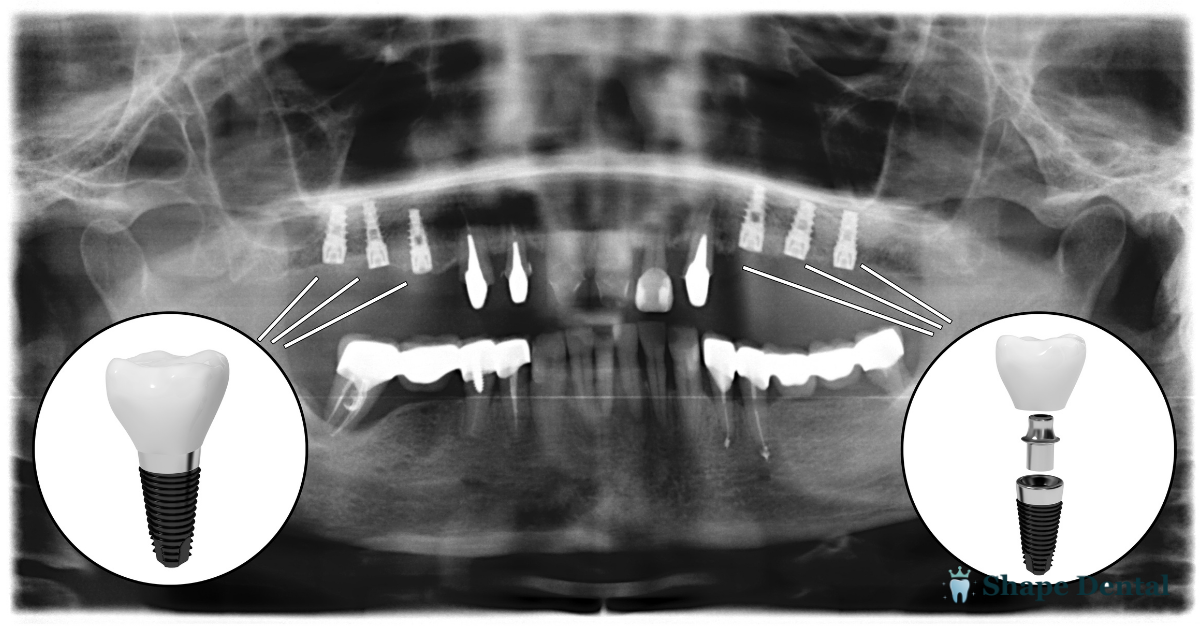
An all-on-4 dental implant treatment involves placing four strategically positioned implants in the jawbone to support a full set of replacement teeth. Two implants are placed in the front, while two are angled in the back to support the implants where bone density is often stronger.
This dental implant procedure is often recommended for patients with missing teeth who may not qualify for individual implants. While the benefits of all-on-4 include stability and efficiency, proper implant placement and planning are critical to long-term success.
Why Do Patients Research Problems With All-on-4 Dental Implants?
Patients often look into dental implant problems because all-on-4 implants involve surgery, long-term maintenance, and financial commitment. Understanding implant problems before getting all-on-4 helps patients prepare for ongoing dental care.
At Shape Dental in Georgetown, TX, patients are encouraged to ask questions about potential issues, cleaning requirements, and future repair needs to ensure realistic expectations.
Not Everyone Is a Good Candidate for All-on-4
All-on-4 implants are not suitable for every patient. Healthy gum tissue, adequate bone structure, and good oral hygiene are essential for implant success.
Patients may not qualify if they have:
- Advanced gum disease
- Severe bone loss without grafting options
- Poor oral hygiene habits
- Medical conditions affecting healing
A dentist must evaluate bone density, gum health, and overall dental health before recommending the all-on-4 procedure.
Risk of Implant Failure With All-on-4
Although the success rate of all-on-4 dental implants is high, implant failure can still occur. Implant failure may happen if the implant fails to integrate with the jawbone or if infection develops.
Common causes include poor oral hygiene, excessive bite force, and lack of regular dental check-ups. Early diagnosis by a dental professional reduces the risk of implant failure and protects long-term success.
Gum Health and All on 4 Implant Problems
Gum health plays a major role in preventing dental implant problems. Inflammation or gum recession around the implant can expose the implant site and lead to bone loss.
Without proper cleaning around the implant, bacteria can build up and increase the risk of infection. Professional cleanings and consistent oral hygiene help maintain healthy gum tissue and protect the implant.
Bone Loss and Stress on Four Implants
Many patients assume all-on-4 implants completely stop bone loss. While implants slow bone loss, it can still occur over time.
Because four dental implants support an entire arch, stress is concentrated. Bone loss around one implant can compromise the surrounding implants and affect overall stability.
Bite Problems and Uneven Pressure
Bite problems are a common issue associated with all-on-4 implant problems. If the bite is not balanced correctly, uneven pressure can increase the risk of implant failure.
Proper adjustments after installation help distribute force evenly and support the implants in the jawbone. Regular follow-up visits are essential to prevent long-term issues.
Cleaning and Oral Hygiene Challenges
Cleaning all-on-4 dental implants is more complex than caring for natural teeth. Food and plaque can collect around the implant and under the prosthetic arch.
Effective care includes:
- Daily cleaning around the implant
- Use of specialized brushes or water flossers
- Professional dental cleanings
Poor oral hygiene increases the risk of gum disease and implant problems.
Repairs and Maintenance of All-on-4 Implants
Repair of an all-on-4 implant restoration can be more involved than repairs for individual dental implants. Damage to the prosthetic may require removal of the entire arch.
Patients should understand that repair and maintenance are part of long-term dental care. Proper cleaning and regular dental visits reduce the likelihood of extensive repairs.
Cost Considerations and Long-Term Care
While all-on-4 dental implants may be more affordable than replacing each tooth individually, the upfront cost is still significant.
Costs include implant placement, prosthetic installation, follow-up care, cleaning visits, and potential future repairs. Planning for long-term dental care helps protect the longevity of your implants.
Provider Experience and Implant Success
The success of all-on-4 dental implants depends heavily on the dentist performing the procedure. Poor placement increases the risk of complications and implant failure.
Choosing an experienced dental provider with advanced imaging and precise installation techniques improves overall implant success and long-term results.
Are All-on-4 Dental Implants Worth It?
For many patients, all on 4 dental implants offer improved stability, function, and confidence compared to dentures. However, they are not a one-size-fits-all solution.
Understanding common all-on-4 dental implant problems allows patients to weigh benefits against risks and commit to proper care.
Alternatives to All-on-4 Dental Implants
Depending on dental health and bone structure, alternatives may include:
- Implant-supported dentures
- Individual dental implants
- Removable dentures
A consultation helps determine the most appropriate treatment.
How Shape Dental Helps Reduce Implant Problems
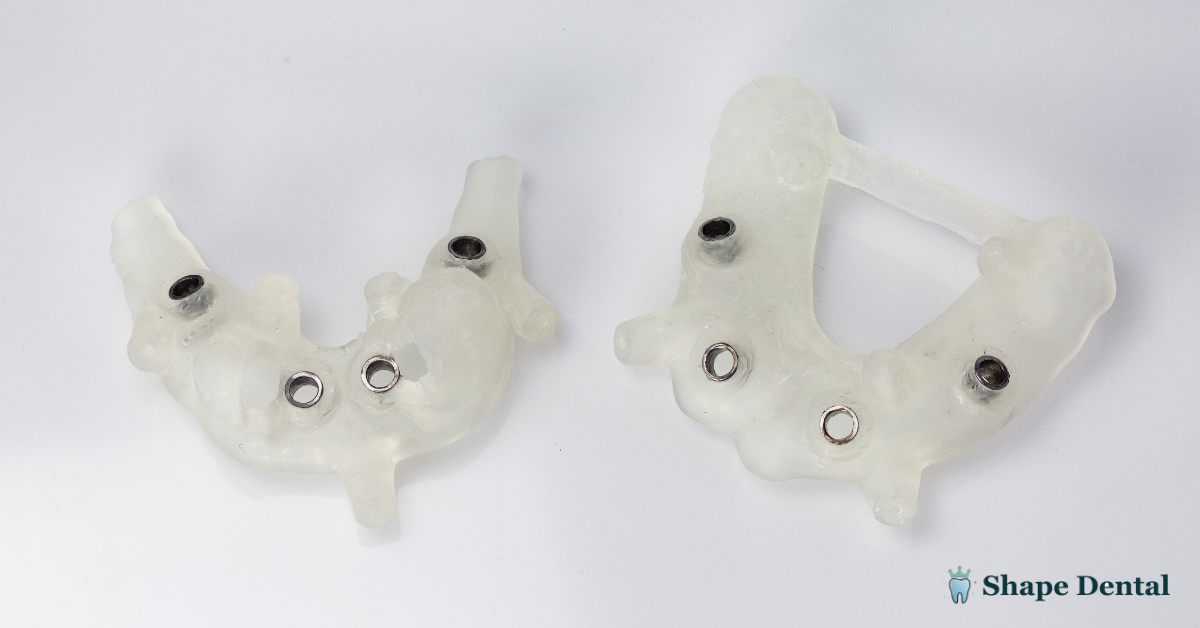
At Shape Dental in Georgetown, TX, implant treatment begins with detailed evaluation and planning. Each patient receives a personalized approach that considers gum health, bone support, bite alignment, and long-term maintenance.
From installation to cleaning, repair, and ongoing dental care, the team focuses on reducing implant problems and supporting long-term success.
Frequently Asked Questions About All-on-4 Implant Problems
How long do all-on-4 dental implants last?
With proper oral hygiene and regular dental check-ups, implants can last decades.
Can one implant failure affect the full arch?
Yes, which is why early care is important.
Are all-on-4 dental implants painful?
Discomfort is usually temporary and manageable.
Do all-on-4 implants feel like natural teeth?
They feel stable but slightly different from natural teeth.