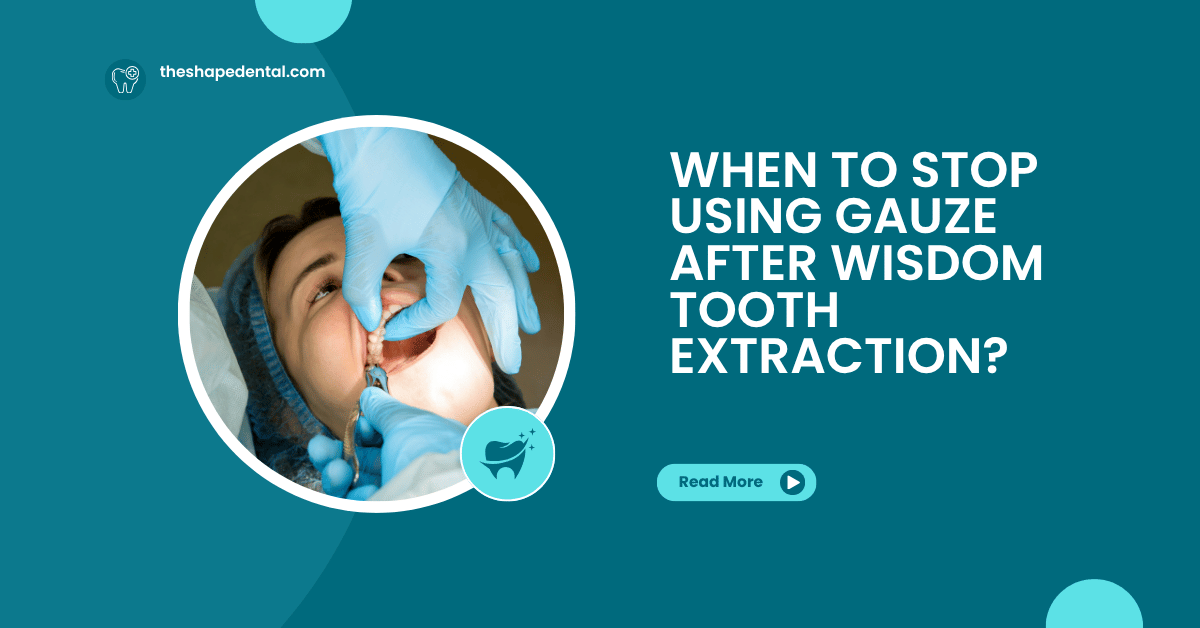
Getting your wisdom teeth removed is one of the most common dental procedures. For most people, it’s a straightforward process, but the healing period requires care and attention. One of the first things your dentist will instruct you to do after extraction is to bite down on a piece of gauze. The gauze helps stop bleeding and promotes clot formation, which is critical for healing. But many patients wonder the same thing: When to Stop Using Gauze After Wisdom Tooth Extraction?
In this article, we’ll go step by step through why gauze is used, how long you need it, the risks of leaving it in too long, and what to do if bleeding doesn’t stop.
Why Do Dentists Use Gauze After Wisdom Tooth Extraction?
Immediately after an extraction, your mouth naturally bleeds as it tries to begin the healing process. The gauze plays an important role in managing that first stage.
- Controls bleeding – Applying pressure with gauze helps slow down active bleeding at the site.
- Supports clot formation – Blood clots are essential for protecting the empty socket. They seal the wound and prevent infection.
- Provides protection – The gauze acts as a cushion, keeping the extraction site covered and preventing food particles from interfering.
Without gauze, the bleeding may last much longer, and the clot may not form correctly, leading to complications such as dry socket.
How Long Should You Keep Gauze in After Wisdom Tooth Extraction?
Most patients only need gauze for a short period. Typically, dentists recommend keeping the initial piece of gauze in place for about 30 to 45 minutes after the extraction.
After that, you should check the gauze:
- If it is soaked in blood, replace it with a fresh, damp piece.
- If there’s only light spotting, you may not need gauze anymore.
- If bleeding continues heavily, continue using new gauze every 30 minutes until it slows.
It’s normal to have slight oozing for the first few hours, but active bleeding should begin to taper off after the first 2–3 hours.
Risks of Keeping Gauze In for Too Long
It’s tempting to leave gauze in your mouth longer than needed, but doing so can actually cause problems.
- Delayed healing – If gauze sticks to the clot, removing it can dislodge the clot and restart bleeding.
- Dry mouth – Prolonged gauze use can make your mouth uncomfortably dry, slowing recovery.
- Increased irritation – Chewing or clenching gauze for too long can strain the jaw and irritate surrounding tissue.
This is why it’s important to remove gauze once the bleeding has slowed to a mild ooze.
Signs It’s Time to Stop Using Gauze
You don’t have to guess when to stop. There are clear signs that indicate gauze is no longer needed:
- Bleeding has slowed to very light spotting.
- The gauze you remove is mostly pink with minimal red staining.
- You can swallow saliva without tasting or seeing much blood.
- You feel more comfortable without pressure in the mouth.
At this point, you can safely stop using gauze and focus on other healing steps.
What to Do Once You Remove Gauze
Stopping gauze use doesn’t mean your aftercare is finished. You’ll still need to protect the healing site and avoid activities that could dislodge the clot.
Here are the main steps to follow:
- Stay upright – Sit or lie down with your head elevated to keep pressure off the wound.
- Use a cold compress – Place an ice pack on the outside of your cheek in 15-minute intervals to reduce swelling.
- Avoid spitting or rinsing – Forceful rinsing can dislodge the clot. Wait at least 24 hours before rinsing gently with saltwater.
- Stick to soft foods – Yogurt, mashed potatoes, smoothies, and soups are safe choices. Avoid crunchy, spicy, or hot foods in the first few days.
- No straws – The suction from straws can pull out the blood clot.
By following these steps, you give your mouth the best chance to heal smoothly.
What If Bleeding Doesn’t Stop?
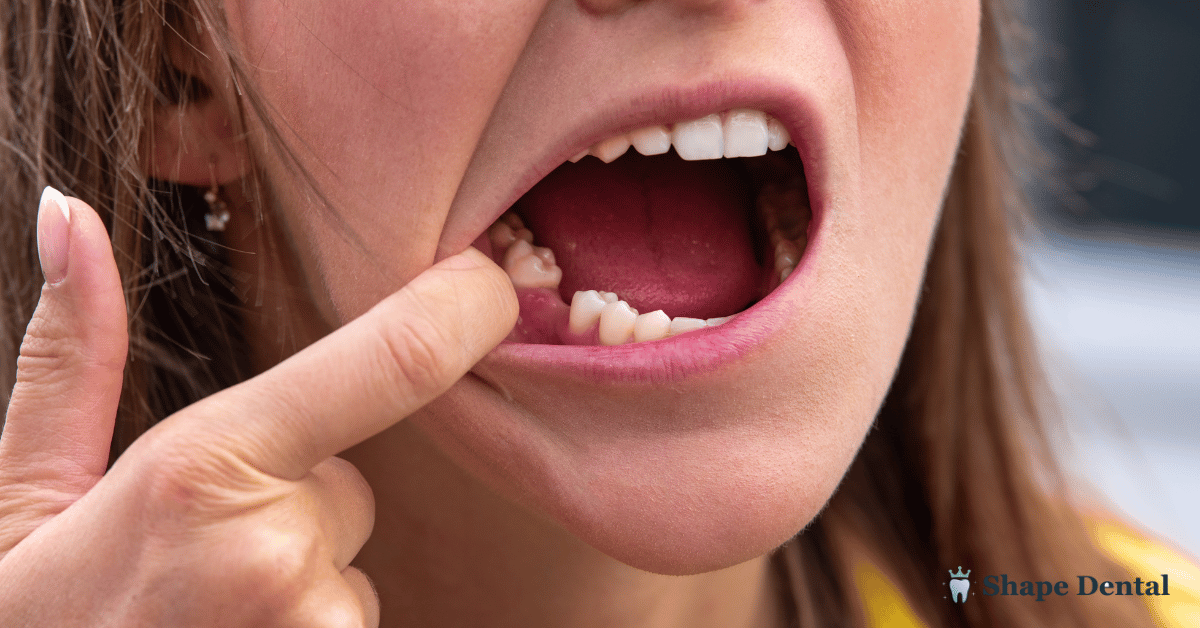
For some patients, bleeding continues longer than expected. If this happens, don’t panic there are ways to manage it.
- Replace gauze – Use a fresh, damp piece of gauze and bite down firmly for another 30 minutes.
- Try a tea bag – Black tea contains tannins, which help blood clot more effectively. A damp tea bag can sometimes work better than gauze.
- Stay calm – Stress or talking too much can increase blood flow, making bleeding worse.
If bleeding continues beyond 24 hours or becomes heavier instead of lighter, it’s time to call your dentist. Persistent bleeding may be a sign that something is interfering with healing.
Additional Aftercare Tips for Wisdom Tooth Extraction
Beyond gauze use, there are several key steps for ensuring a smooth recovery.
Managing Pain
- Take prescribed medications on schedule.
- Over-the-counter options such as ibuprofen can reduce both pain and swelling.
Keeping Your Mouth Clean
- Brush your teeth carefully but avoid the extraction area for the first day.
- After 24 hours, use a gentle saltwater rinse after meals to prevent infection.
What to Avoid
- Smoking, as it slows healing and increases risk of dry socket.
- Alcohol, which can irritate the wound and interfere with medication.
- Heavy exercise, as it raises blood pressure and may restart bleeding.
Watch for Warning Signs
- Severe or worsening pain after 2–3 days.
- Swelling that continues to increase.
- Fever or signs of infection.
- Bad taste or foul odor from the extraction site.
If any of these occur, contact your dentist immediately for evaluation.
When to Call Shape Dental
Most patients recover without complications, but it’s important to know when to seek help. You should contact Shape Dental in Georgetown, TX if:
- Bleeding continues after 24 hours.
- Pain becomes severe and does not improve with medication.
- You notice swelling, pus, or signs of infection.
- The extraction site looks empty or painful, which may signal dry socket.
At Shape Dental, our experienced team provides clear aftercare instructions and ongoing support. Whether you’re having a wisdom tooth removed or another dental procedure, we’re here to ensure your recovery is safe and comfortable.

Conclusion
So, when to stop using gauze after wisdom tooth extraction? In most cases, gauze is only needed for the first 30 to 45 minutes after the procedure, with replacements if bleeding continues. Once the bleeding slows to light oozing, you can stop using gauze and focus on rest, hydration, and gentle care.
Remember: proper aftercare is just as important as the extraction itself. If you’re unsure about your healing process, reach out to your dentist.
Shape Dental in Georgetown, TX provides expert care for wisdom teeth, extractions, and full family dentistry services. If you have concerns after your procedure or if you’re considering wisdom tooth removal contact our team today for personalized support.