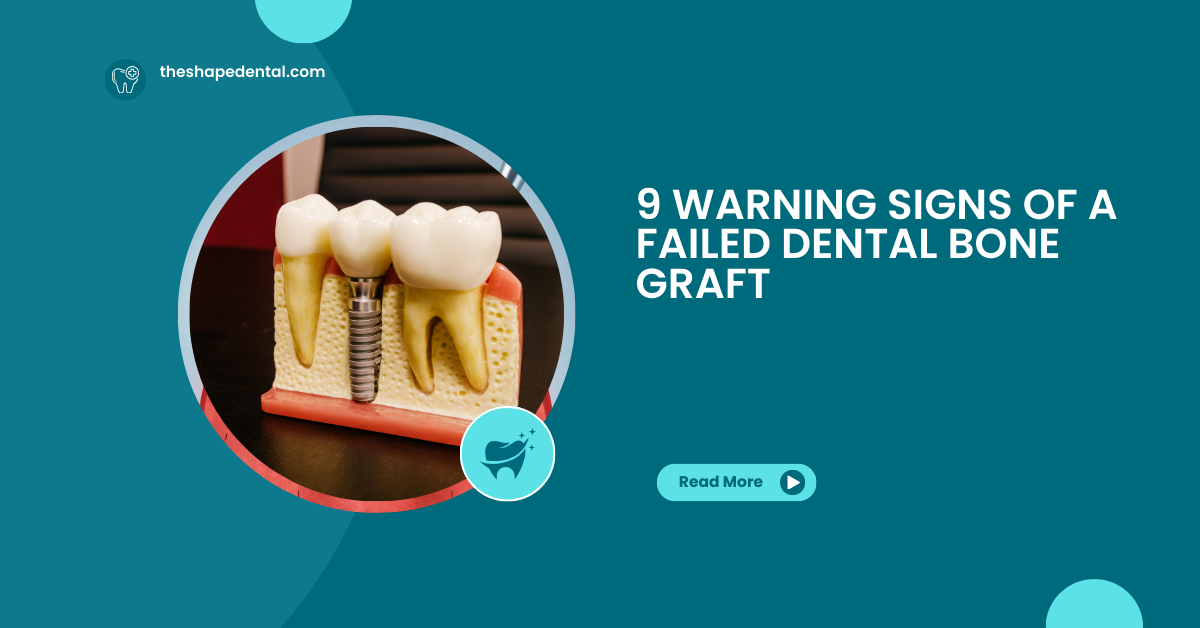
Dental bone grafting is a widely used dental surgery that helps replace lost bone and support long-term oral health. It is commonly performed after tooth loss, gum disease, or prior to a dental implant installation.
While bone grafting is generally safe and effective, problems can occur during healing. Being aware of the warning signs of a failed dental bone graft allows for early intervention and better outcomes.
Patients at Shape Dental in Georgetown, TX often ask how to tell whether healing is on track or if something may be wrong. This article explains bone grafting, normal recovery, and how to identify signs of a failed dental bone graft so you can seek prompt dental care when needed.
What Is Bone Grafting in Dentistry?
Bone grafting is a medical procedure that replaces missing bone in the jaw using natural bone, synthetic material, or donor graft material. A dental bone graft helps rebuild the jawbone and creates a stable foundation for restorative treatments.
This procedure is commonly performed after tooth loss caused by gum disease, trauma, or advanced decay. Bone grafting supports oral health by preserving jaw structure and preparing the area for dental implants or other restorative treatments.
Why Is a Dental Bone Graft Needed?
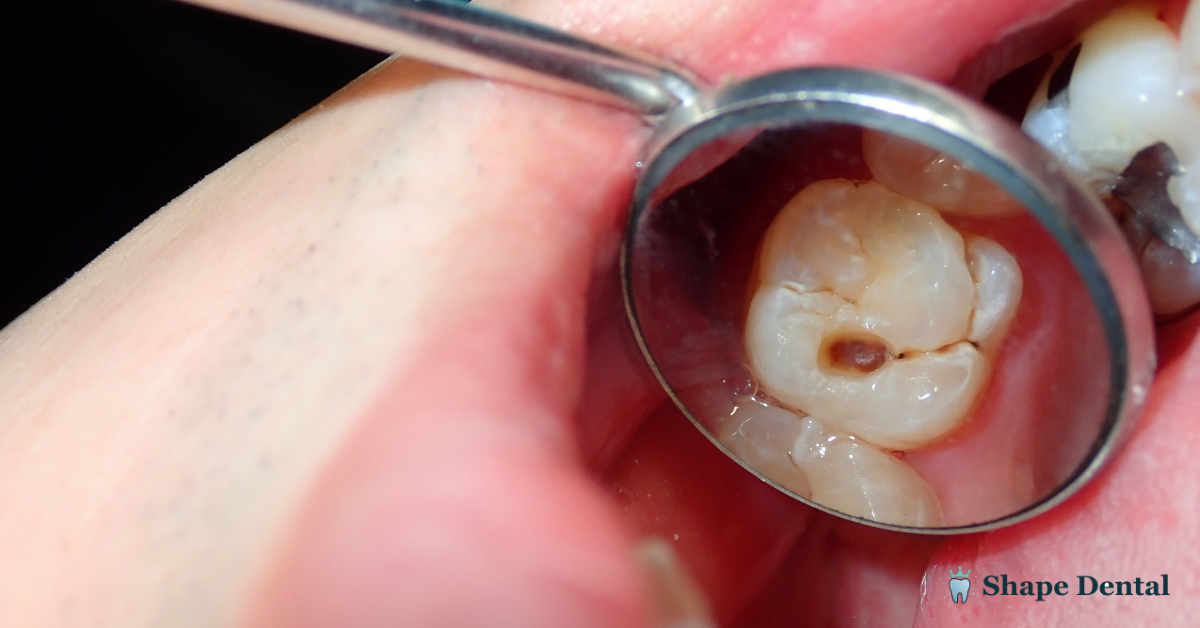
A dental bone graft is often recommended when bone loss has occurred in the jawbone. Without enough bone, placing a dental implant may not be possible.
Bone grafting helps restore bone tissue, maintain facial structure, and prevent further bone loss. It also plays an important role in long-term dental care planning, especially for patients considering implants after tooth extraction.
What Does Normal Bone Graft Healing Look Like?
After a dental bone graft, mild swelling, tenderness, and discomfort around the graft site are common. These symptoms typically improve within the first week.
Bone graft recovery can take several months. During this time, new bone forms and integrates with the surrounding bone. Follow-up appointments and imaging help your dentist monitor progress and ensure the graft is healing properly.
What Can Cause Dental Bone Graft Failure?
Bone graft failures can occur for several reasons. Infection, poor oral hygiene, smoking, and underlying medical conditions can all interfere with healing.
Excessive pressure on the graft site, skipping follow-up appointments, or not following post-procedure instructions also increases the risk of failure. Understanding these risks helps patients protect their investment in dental care.
Warning Signs of a Failed Dental Bone Graft
Persistent Pain After Bone Grafting
Some discomfort is normal after bone grafting, but persistent pain that worsens may indicate a problem. Ongoing pain could mean the graft hasn’t integrated with the jawbone.
If pain continues weeks after the procedure, a dentist should evaluate the graft site.
Swelling That Does Not Subside
Swelling around the graft site is expected early on. Swelling that does not improve or continues to increase may indicate infection or poor healing.
Redness and warmth around the gum tissues can also signal dental bone graft failure.
Signs of Infection Around the Graft Site
A sign of infection may include pus, a bad taste, fever, or foul odor. Infection increases the risk of failure and prevents new bone from forming.
Prompt dental care is essential if these symptoms appear.
Changes in Gum Tissue Near the Graft
Healthy gum tissue should remain stable during healing. Receding gum tissue or exposure of graft material may indicate a failed bone graft.
Changes in gum health around the graft site should always be assessed by a dental professional.
Movement or Instability of the Graft
A successful bone graft remains stable while healing. Movement or looseness may indicate the graft has failed to integrate with natural bone.
This can compromise future dental implant placement.
Poor Healing Over Time
The healing process should show gradual improvement. Poor healing with no progress over time may indicate bone graft failure.
This is often identified through X-rays or CT scans during follow-up visits.
Ongoing Bleeding at the Graft Site
Light bleeding immediately after surgery is normal. Bleeding that continues beyond the early healing period may indicate irritation or infection.
Persistent bleeding requires dental evaluation.
Sinus Issues After Upper Jaw Bone Grafting
Bone grafting in the upper jaw may affect the sinus cavity. Sinus pressure, drainage, or congestion can indicate a complication.
Patients should contact an oral surgeon immediately if sinus symptoms develop.
Difficulty Moving Forward With Dental Implants
In some cases, failure is discovered when preparing for dental implant installation. If imaging shows insufficient bone growth, the graft may not have succeeded.
Additional treatment options may still be available.
How Dentists Diagnose Dental Bone Graft Failure
Dentists diagnose dental bone graft failure using clinical exams and imaging. X-rays or CT scans help assess bone growth and integration.
At Shape Dental, monitoring bone grafts through regular follow-up appointments helps identify problems early and improves treatment success.
Treatment Options for a Failed Bone Graft
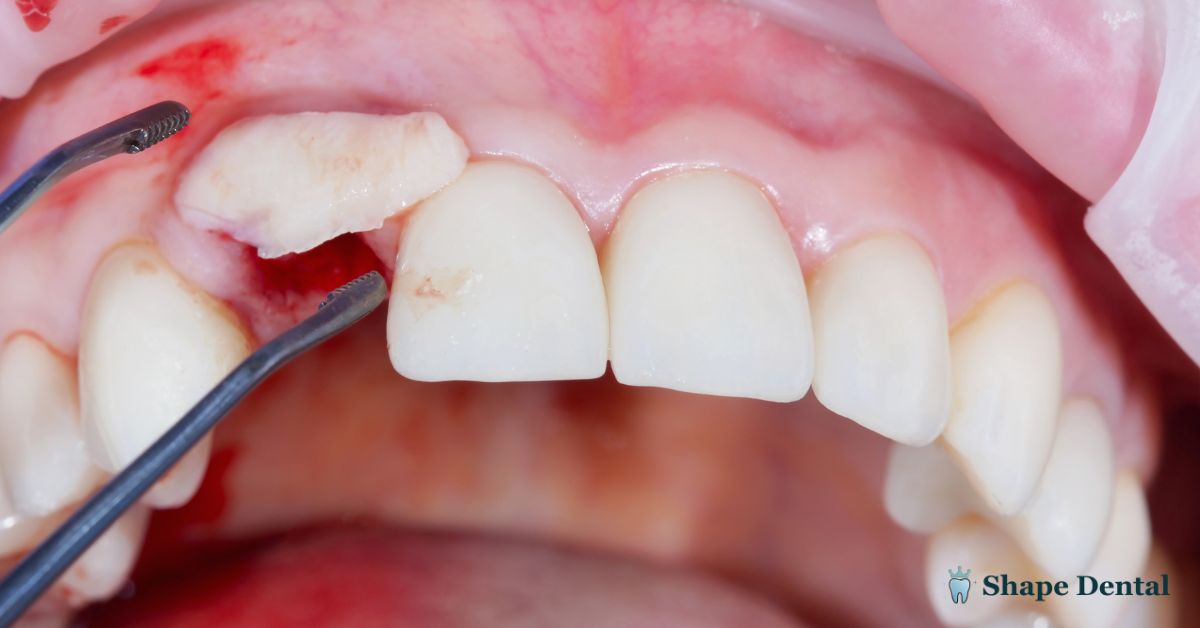
Treatment options depend on the cause of failure. Infection may require medication, while poor integration may require graft removal and replacement.
In some cases, a new bone graft can be performed after addressing risk factors. Early intervention improves outcomes and preserves oral health.
How to Reduce the Risk of Bone Graft Failures
Patients can reduce risk by following post-operative instructions and maintaining good oral hygiene.
Helpful steps include:
- Keeping the graft site clean during healing
- Attending all follow-up appointments
- Avoiding smoking and tobacco use
- Eating a soft diet as recommended
- Reporting unusual symptoms early
These actions support proper healing and long-term dental health.
Dental Bone Grafting Care at Shape Dental in Georgetown, TX
Shape Dental provides advanced dental bone grafting with a focus on safety, comfort, and long-term success. Procedures are carefully planned using modern dentistry techniques and supported by detailed aftercare guidance.
From preventive cleaning to restorative repair and implant installation, the dental team supports patients throughout every phase of treatment.
Frequently Asked Questions About Failed Dental Bone Grafts
Are bone grafts generally safe?
Yes, bone grafts are generally safe and have a high success rate.
Can a failed dental bone graft be corrected?
In many cases, alternative treatment options are available.
How long does bone graft recovery take?
Healing can take several months, depending on the graft and patient health.
Does failure prevent dental implants?
Not always. Additional bone grafting or other treatments may help.