When someone loses teeth, it doesn’t just affect their smile it also impacts eating, speaking, and overall oral health. One of the most common solutions for filling these gaps is a partial denture. But a frequent question patients ask is: How many teeth do I actually need for a partial denture?
The answer depends on the condition of your mouth, the type of denture being considered, and your overall treatment goals. Let’s break this down step by step so you can better understand what’s required.
Partial Dentures
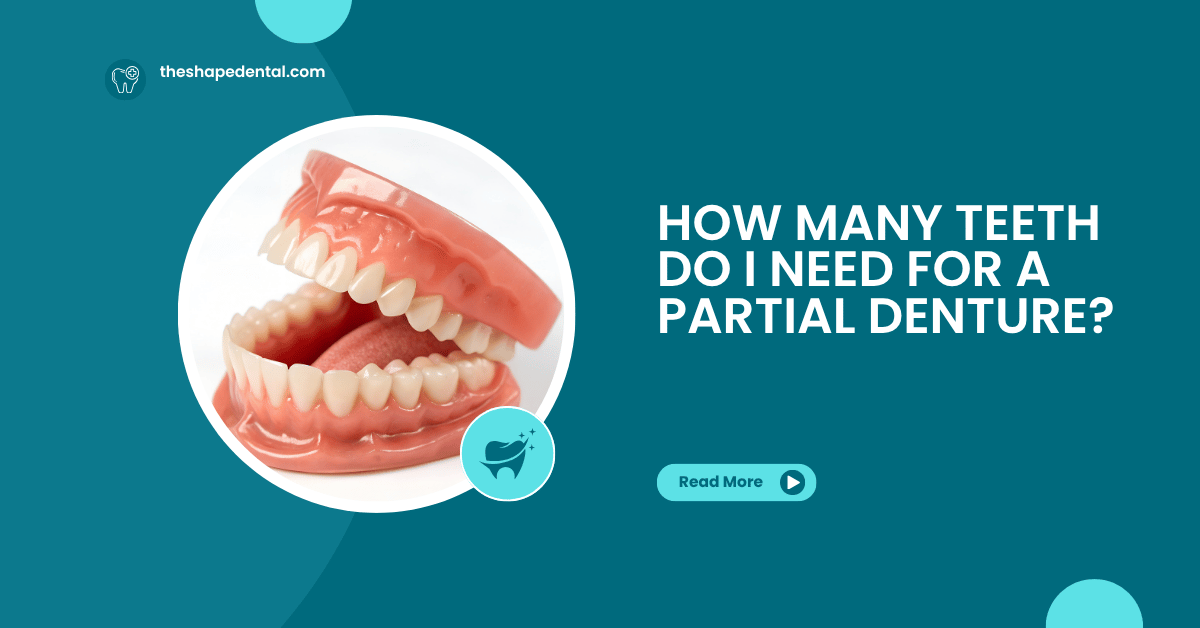
Partial dentures are custom-made dental devices that replace one or more missing teeth while fitting around the natural teeth you still have. Unlike full dentures, which replace all teeth in an arch, partials are designed to work with what remains in your mouth.
They can:
- Restore chewing ability.
- Improve speech clarity.
- Prevent natural teeth from drifting into gaps.
- Give a more balanced, confident smile.
Partial dentures are a flexible solution because they rely on existing teeth for support, meaning you don’t need a full set of teeth for them to work.
Minimum Teeth Required for a Partial Denture
In most cases, you need at least two to three healthy teeth in your arch to anchor a partial denture. These teeth act as stabilizers, holding the denture securely in place.
- Upper jaw dentures often use front teeth as anchors if back teeth are missing.
- Lower jaw dentures sometimes rely on molars or premolars, depending on where teeth are still present.
Every case is unique. A patient missing teeth in different areas may still qualify for partial dentures if enough stable anchor points remain.
Factors That Affect the Number of Teeth Needed
It’s not just about how many teeth you have it’s about their health and placement. Dentists consider several key factors before recommending a partial denture.
- Condition of remaining teeth – Are they strong enough to support clasps or attachments?
- Position of missing teeth – Replacing front teeth versus molars requires different designs.
- Gum and bone health – Healthy gums provide a solid foundation for denture support.
- Bite alignment – The way your upper and lower teeth fit together matters for comfort and stability.
Even if you have fewer teeth left, strong gum and bone structure may allow for alternatives like implant-supported dentures.
Types of Partial Dentures and Tooth Requirements
The type of denture you need directly affects how many natural teeth are required.
Removable Partial Dentures
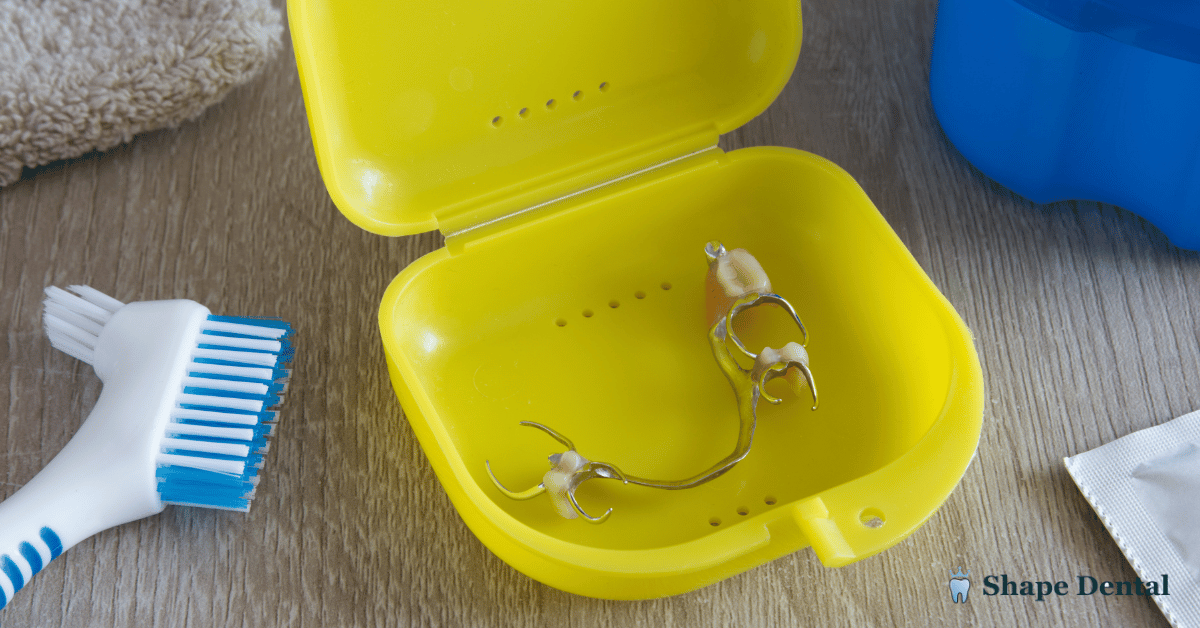
These are the most common type. They use clasps or precision attachments that grip onto your existing teeth. Generally, at least two anchor teeth are needed, though more are preferred for stability.
Fixed Partial Dentures (Dental Bridges)
A bridge replaces one or more teeth by attaching crowns to the teeth on either side of the gap. This means two healthy anchor teeth are required, one on each side of the missing space.
Implant-Supported Partial Dentures
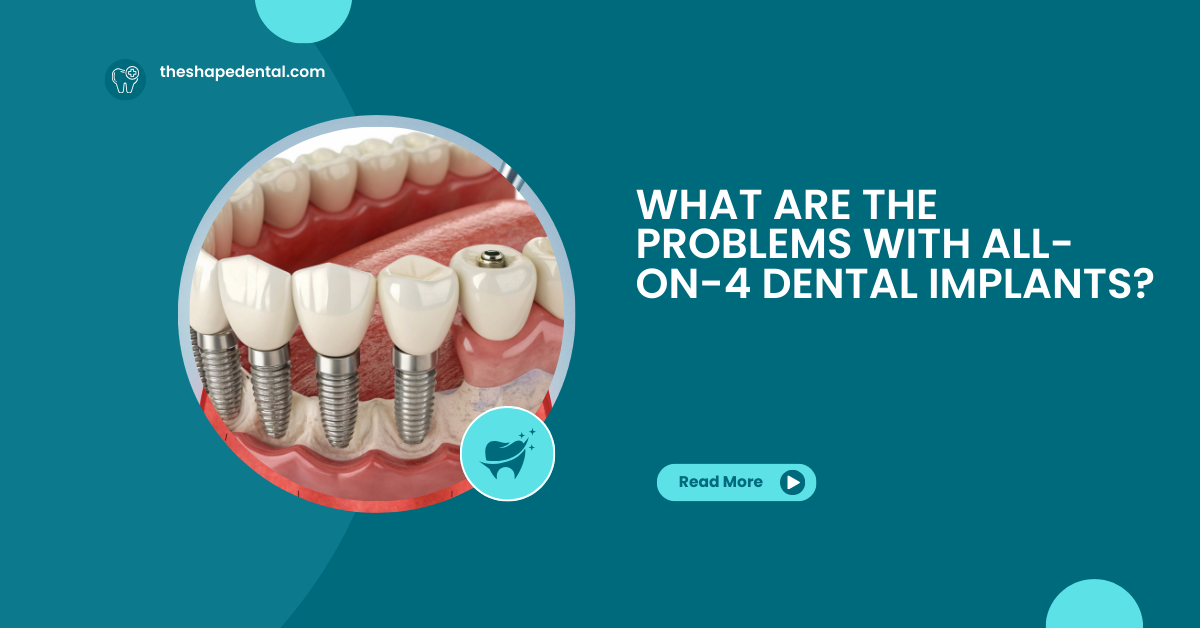
When natural teeth aren’t sufficient, implants can be placed into the jawbone to act as artificial roots. This option often requires fewer natural teeth, as implants take on the supporting role.
Benefits of Partial Dentures with Fewer Teeth
Even if you have only a few remaining teeth, partial dentures can still make a big difference. Some benefits include:
- Restoring chewing efficiency for everyday meals.
- Supporting facial structure and preventing a “sunken” look.
- Reducing wear and tear on remaining natural teeth.
- Improving overall comfort when speaking or smiling.
Common Myths About Teeth Requirements for Partial Dentures
There are several misconceptions that often prevent people from considering dentures:
- Myth 1: You need a full set of teeth to support a denture.
In reality, only a few healthy teeth are required for anchoring. - Myth 2: Partial dentures always damage surrounding teeth.
With modern designs and proper care, they distribute pressure evenly and protect natural teeth. - Myth 3: Dentures are only for older adults.
Tooth loss can happen at any age due to injury, decay, or gum disease, and dentures are suitable for adults of all ages.
Alternatives If You Don’t Have Enough Teeth
If you don’t have enough natural teeth to support a partial denture, you still have options:
- Dental Implants – Replace individual teeth or support bridges and dentures.
- Complete Dentures – Ideal if all teeth in one arch are missing.
- Implant-Retained Dentures – A hybrid solution where implants provide secure anchorage.
These alternatives can provide long-term stability, especially when few or no natural teeth remain.
Why a Dentist Consultation is Essential
Every mouth is different, so the number of teeth you need for a partial denture can’t be generalized. A professional consultation helps determine:
- Which teeth can be used as anchors.
- Whether gum or bone treatments are needed before fitting.
- The most cost-effective and durable option for your situation.
Regular check-ups also ensure your denture continues to fit well as your mouth naturally changes over time.
Shape Dental – Expert Denture Services in Georgetown, TX
At Shape Dental in Georgetown, TX, we provide patients with customized denture solutions that restore comfort and confidence. Our approach focuses on:
- Designing dentures that fit securely and look natural.
- Using advanced dental technology for precise results.
- Offering both removable and implant-supported options.
- Ensuring a gentle, patient-focused experience.
Whether you’re missing a few teeth or many, our team can recommend the best option for your oral health and lifestyle.
Conclusion – Finding the Right Denture Solution for You
So, how many teeth do you need for a partial denture? In most cases, at least two or three healthy teeth are enough, but the exact number depends on your unique dental health. With the right evaluation and care, partial dentures can restore both function and appearance.
If you’re considering dentures, the best step is to schedule a consultation with a trusted dentist. At Shape Dental, we’re here to guide you through every option, ensuring you get a solution that feels comfortable, natural, and long-lasting.