Wisdom tooth extraction is one of the most common dental procedures, especially for young adults and teens. While it’s often necessary to protect oral health, patients naturally wonder about the recovery process particularly about pain. The most frequent question is: what’s the worst day of pain after wisdom tooth extraction?
Understanding the healing timeline, knowing what’s normal, and being prepared with the right care can make recovery much smoother.
What is Wisdom Tooth Extraction?
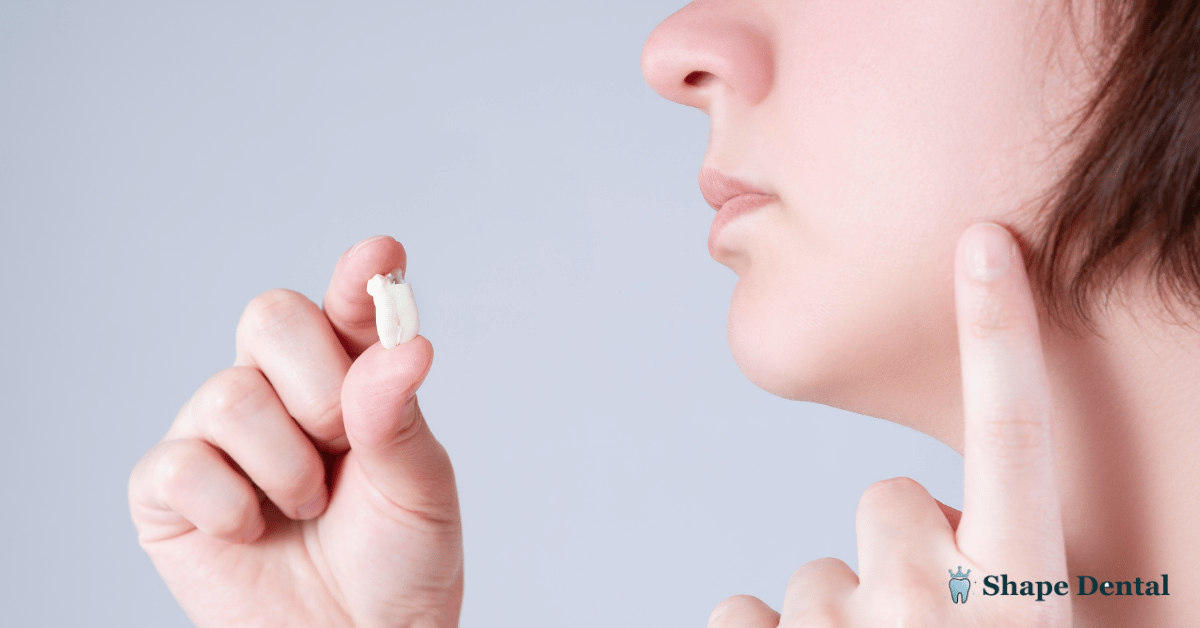
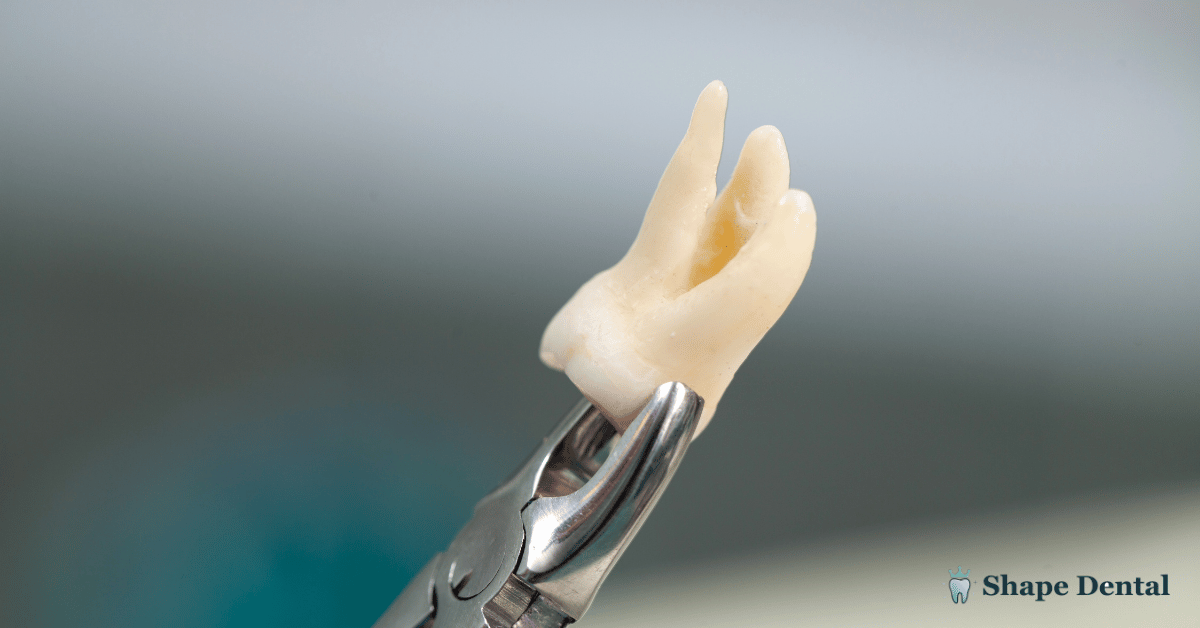
Wisdom teeth are the last set of molars that usually appear between the ages of 17 and 25. In many cases, these teeth cause problems such as crowding, impaction, or even infection. That’s why dentists often recommend removing them before they damage nearby teeth or gums.
At Shape Dental in Georgetown, TX, we perform extractions regularly with patient comfort as a top priority. Whether it’s a simple removal or a surgical procedure, the goal is to protect long-term oral health while making the healing process as easy as possible.
The Typical Healing Timeline After Wisdom Tooth Extraction
Recovery doesn’t happen all at once. Instead, it follows a clear timeline with different stages of discomfort:
- Day 1 (Procedure Day): Numbness from anesthesia keeps pain low, but mild discomfort begins once it wears off.
- Day 2–3: This is usually the peak of swelling and soreness. Pain often feels the strongest here.
- Day 4–5: Swelling starts to decrease, and pain levels become easier to manage.
- Day 6–7: Most patients feel significantly better with only mild tenderness left.
- After Week 1: Normal activities usually resume, and healing continues inside the gums.
Which Day Hurts the Most After Wisdom Tooth Removal?
For most patients, the worst pain typically occurs on Day 2 and Day 3 after surgery. This is when the body’s natural inflammatory response is at its peak. Swelling, stiffness, and pressure around the extraction site make discomfort more noticeable.
The good news is that once you pass this period, healing usually moves quickly. By the fourth day, pain should begin to fade, and each following day feels easier.
Factors That Can Affect Pain Levels
Not every patient has the same recovery experience. Several factors influence how much pain you may feel after extraction:
- Type of Extraction: Simple extractions heal faster than surgical ones involving bone or impacted teeth.
- Age: Younger patients tend to heal quicker than older adults.
- Overall Health: Conditions like diabetes or smoking habits may slow healing.
- Aftercare: Following instructions carefully has a huge impact on reducing pain.
Common Symptoms to Expect After Extraction
It’s important to know what’s normal so you don’t panic during recovery. Typical symptoms include:
- Mild to moderate pain and soreness.
- Swelling around the cheeks and jawline.
- Slight bleeding for the first 24 hours.
- Difficulty opening the mouth fully.
These symptoms are part of the natural healing process. However, if pain becomes severe after several days, it’s a signal to call your dentist.
How to Manage Pain Effectively During Recovery
Managing discomfort properly makes recovery less stressful. Dentists often provide guidelines to help patients stay comfortable.
Effective pain relief strategies include:
- Taking prescribed or over-the-counter pain medications on schedule.
- Applying cold compresses during the first 24 hours to reduce swelling.
- Switching to warm saltwater rinses after the first day to promote healing.
- Eating soft foods like yogurt, mashed potatoes, and smoothies.
- Staying hydrated with water instead of sodas or alcohol.
- Resting and avoiding strenuous activity.
What to avoid:
- Drinking through straws (can dislodge blood clots).
- Smoking or vaping.
- Vigorous rinsing or spitting too forcefully.
When Pain May Indicate a Problem
While some discomfort is expected, certain symptoms suggest complications that need professional care:
- Severe pain lasting beyond Day 3 or suddenly worsening after initial improvement.
- Bad taste or foul odor in the mouth.
- Dry socket (when the blood clot is lost, exposing bone).
- Fever or excessive swelling that doesn’t improve.
If you experience any of these warning signs, contact your dentist immediately. Early treatment can prevent more serious issues.
Why Choose a Trusted Dentist in Georgetown, TX
Recovery is easier when you know your dentist uses safe, gentle methods and provides clear aftercare instructions. At Shape Dental, we focus on patient comfort from start to finish. Our modern techniques help minimize trauma during extraction, which often leads to faster healing and less discomfort afterward.
As a family dentist in Georgetown, TX, we also make sure patients have full support during recovery, from pain management tips to follow-up care.
Final Thoughts – Recovery With the Right Care
The worst pain after wisdom tooth extraction usually comes on Day 2 or Day 3, but it doesn’t last long. With proper care, discomfort quickly decreases, and within a week most patients feel much better.
If you’re planning a wisdom tooth extraction in Georgetown, TX, Shape Dental is here to help. With a gentle approach and years of experience, we make sure your recovery is as smooth and comfortable as possible.
FAQs on Wisdom Tooth Extraction Pain
How long does pain normally last?
Most discomfort improves within 3–5 days, with only mild soreness after a week.
Are upper or lower wisdom teeth more painful to remove?
Lower wisdom teeth are usually harder to extract and may cause more soreness.
Can pain return after a week?
If pain comes back suddenly, it could be a sign of dry socket or infection.
Is ear or throat pain normal?
Yes, because nerves in the jaw connect to nearby areas. It usually improves as healing continues.