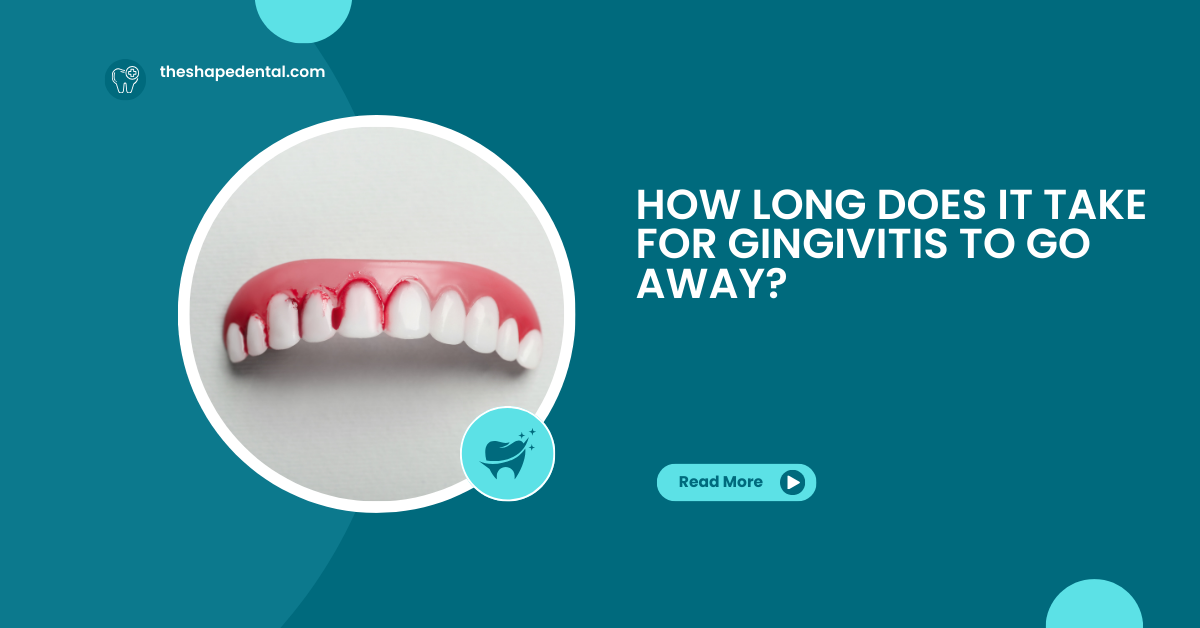
Gingivitis is one of the most common forms of gum disease, and it affects people at some point in their lives. When gums become red and bleed, many start wondering how long does it take for gingivitis to go away and whether the condition will heal on its own.
The encouraging news is that gingivitis can be reversed with proper treatment and consistent care.This article explains how long it takes for gingivitis to heal, what affects the healing time, and how professional dental care at places like Shape Dental can help restore gum health.
Understanding the healing process helps patients take action early and avoid more serious gum disease.
What Is Gingivitis?
Gingivitis is the earliest stage of gum disease and is caused by plaque builds along the gumline. Plaque is a sticky film of bacteria that irritates the gums and causes inflammation when not removed through daily brushing and floss.
At this stage of gum disease, the damage is limited to the gum tissue and has not progressed to the bone. Because gingivitis is the early stage, it responds well to proper treatment and good oral hygiene.
Common Signs and Symptoms of Gingivitis
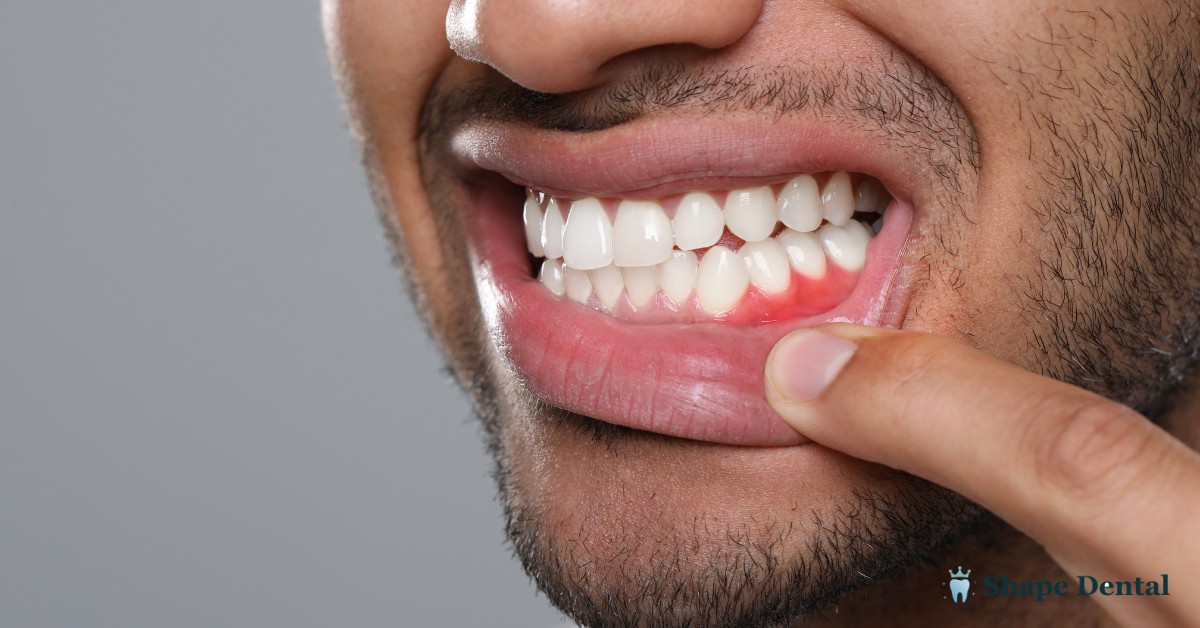
The symptoms of gingivitis often start mild, which is why many people overlook them. Gum inflammation may not be painful at first, but visible signs usually appear as the condition progresses.
Common symptoms include:
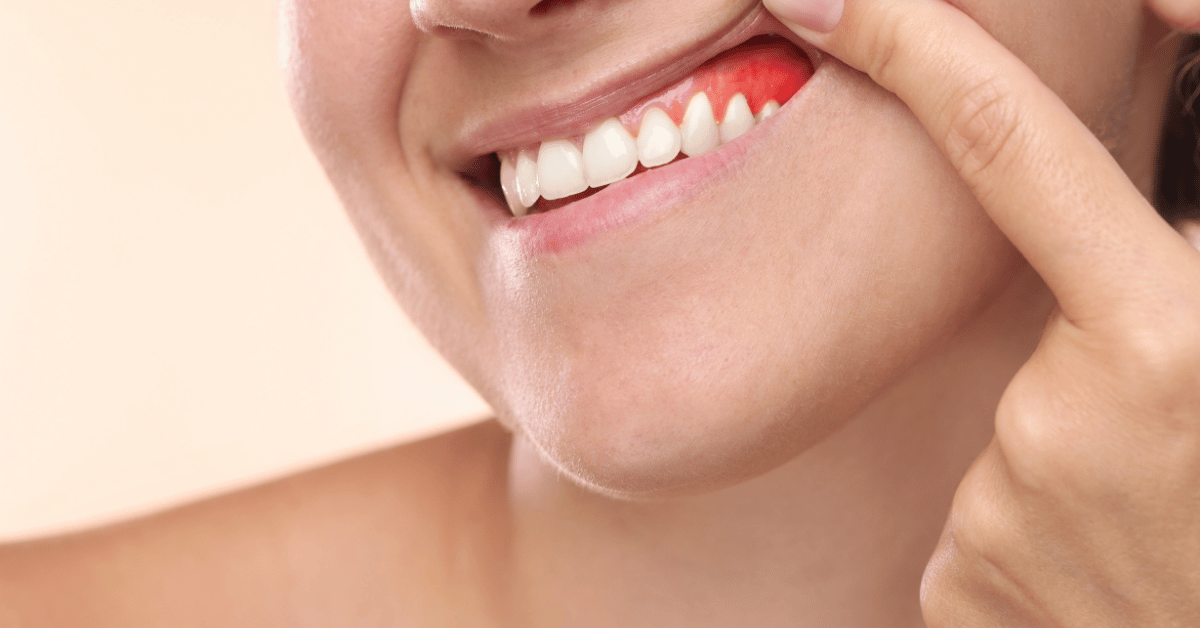
- Red and bleed gums during brushing or floss
- Swollen or tender gum tissue
- Persistent bad breath
- Shiny or inflamed gums along the gumline
Bleeding gums are one of the most noticeable signs and should not be ignored.
How Long Does It Take for Gingivitis to Go Away?
One of the most common questions patients ask is how long does it take for gingivitis to heal. In mild cases, gums heal within a few days once plaque is removed and proper care begins. For many people, bleeding gums improve within one to two weeks.
More advanced cases of gingivitis may take several weeks to fully heal. A professional dental cleaning is often needed to remove hardened plaque and support the healing process. How long gingivitis takes to heal depends on how quickly treatment begins and how consistent oral hygiene habits are.
Factors That Affect Gingivitis Healing Time
Healing time depends on several factors that affect how long it takes to get rid of gingivitis. These factors can either speed up or slow down the healing process.
Factors that affect healing include:
- Amount of plaque present
- How well you brush and floss
- Smoking or tobacco use
- Medical conditions such as diabetes
- Hormonal changes
- How soon professional dental care starts
Addressing these factors early can help gingivitis heal more quickly.
Can Gingivitis Go Away on Its Own?
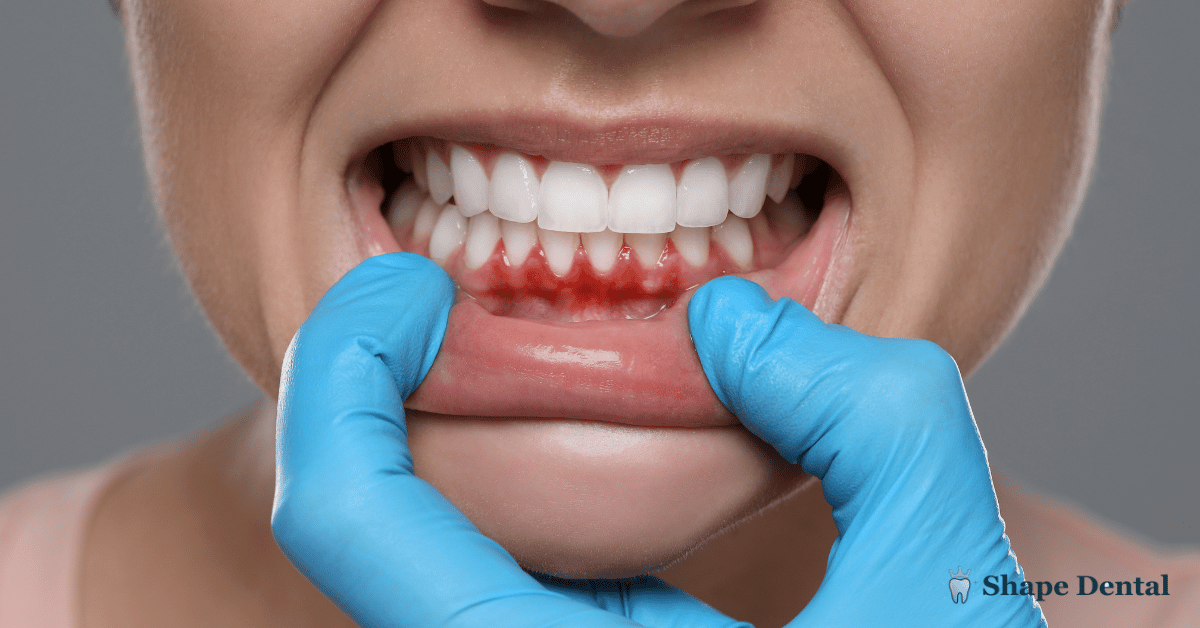
Gingivitis usually does not go away without action. While symptoms may seem to improve temporarily, plaque remains along the gumline unless it is removed.
To truly reverse gingivitis, daily oral hygiene and often a professional dental cleaning are required. Without proper treatment, inflammation can return and gingivitis can progress to periodontitis.
At-Home Steps That Help Gingivitis Heal Faster
Daily habits play a major role in gum health. Consistent care at home supports the healing process and helps gums heal.
Helpful at-home steps include:
- Brush your teeth twice daily with a soft toothbrush
- Floss gently once a day to remove plaque
- Use mouthwash as recommended
- Clean along the gumline carefully
- Drink water throughout the day
- Limit sugary foods and drinks
These steps help reduce inflammation and support healthy gums.
Professional Dental Treatment for Gingivitis
While gingivitis at home care is important, professional treatment often speeds up recovery. A professional cleaning removes plaque and tartar that brushing and flossing cannot.
At Shape Dental, patients receive gentle dental cleanings, personalized oral hygiene guidance, and follow-up care. Professional treatment helps restore gum health and prevents gingivitis from returning.
What Happens If Gingivitis Is Left Untreated?
When gingivitis is left untreated, it can progress to periodontitis, a more serious periodontal disease. At this stage, bone loss may occur, increasing the risk of tooth loss.
Possible outcomes include:
- Progression to periodontitis
- Gum recession
- Bone loss around teeth
- Loose teeth
- Tooth loss
Early treatment helps prevent long-term damage.
How to Prevent Gingivitis From Coming Back
Once gums heal, prevention is essential to keep gum disease from returning. Ongoing dental care and daily habits make a lasting difference.
Prevention tips include:
- Brush and floss daily
- Schedule regular dental checkups
- Get professional cleanings as advised
- Replace toothbrushes regularly
- Manage health conditions that affect oral health
Preventive care helps maintain healthy gums long term.
When Should You See a Dentist?
Some signs indicate it is time to see a dentist for professional treatment. Delaying care can slow down the healing time.
Schedule a dental visit if:
- Bleeding gums continue after two weeks
- Gums remain swollen or painful
- Bad breath does not improve
- It has been several months since your last cleaning
A dentist can determine the best treatment options for your gingivitis.
Gingivitis Care in Georgetown, TX
For patients in Georgetown, TX, Shape Dental offers comprehensive dental care for the whole family. Services include preventive cleanings, dental repair, installation of crowns, and personalized treatment plans.
Shape Dental focuses on gentle care, early intervention, and long-term gum health to help patients get rid of gingivitis and maintain healthy smiles.
Frequently Asked Questions About Gingivitis Recovery
Can gingivitis go away in a week?
Mild gum inflammation may improve within a week, but full healing often takes longer.
How long does bleeding last?
Bleeding gums usually decrease within one to two weeks of proper care.
Is gingivitis painful?
Gingivitis is often painless, which is why it can go unnoticed.
Does mouthwash cure gingivitis?
Mouthwash supports care but does not replace brushing, flossing, and professional cleanings.