After a tooth extraction, many patients feel unsure about what food to eat during recovery. Ice cream often seems like the perfect post-surgery food because it is cold, soft, and easy to swallow. While ice cream after tooth extraction can feel soothing, it is not always safe to eat right away.
This article answers the common question “Can I Eat Ice Cream After Tooth Extraction?” by explaining how ice cream affects the extraction site, when dentists say it’s safe to indulge, and what to watch for after both simple and surgical removals. Patients at Shape Dental frequently ask this question following any procedure involving a removed tooth or wisdom teeth.
What Happens to Your Mouth After a Tooth Extraction?
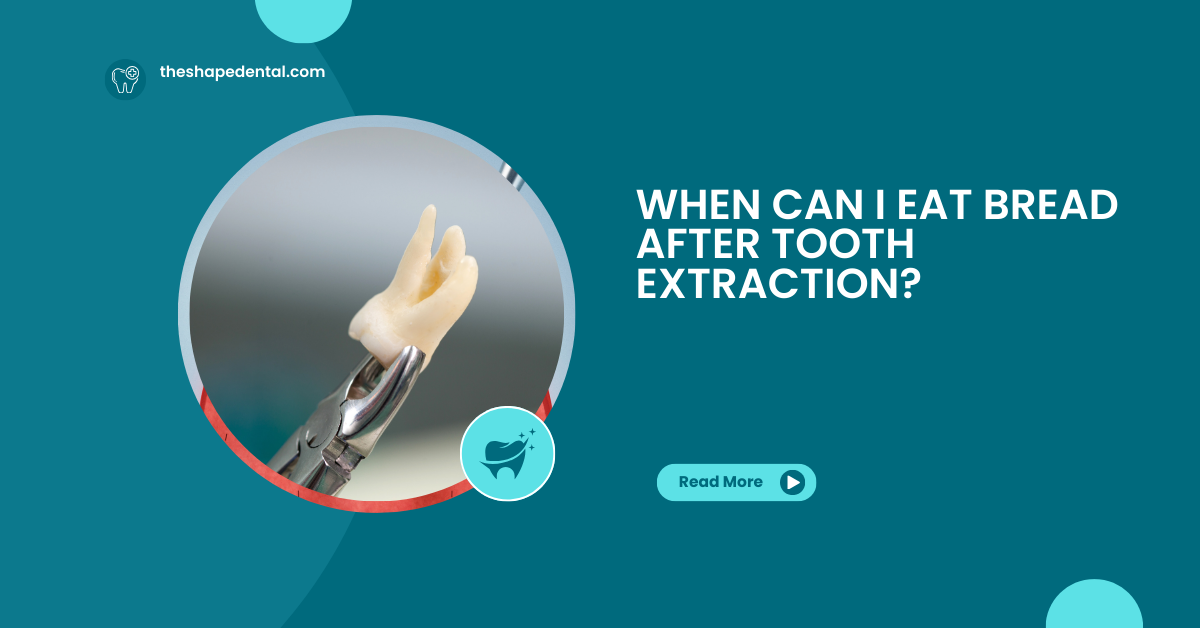
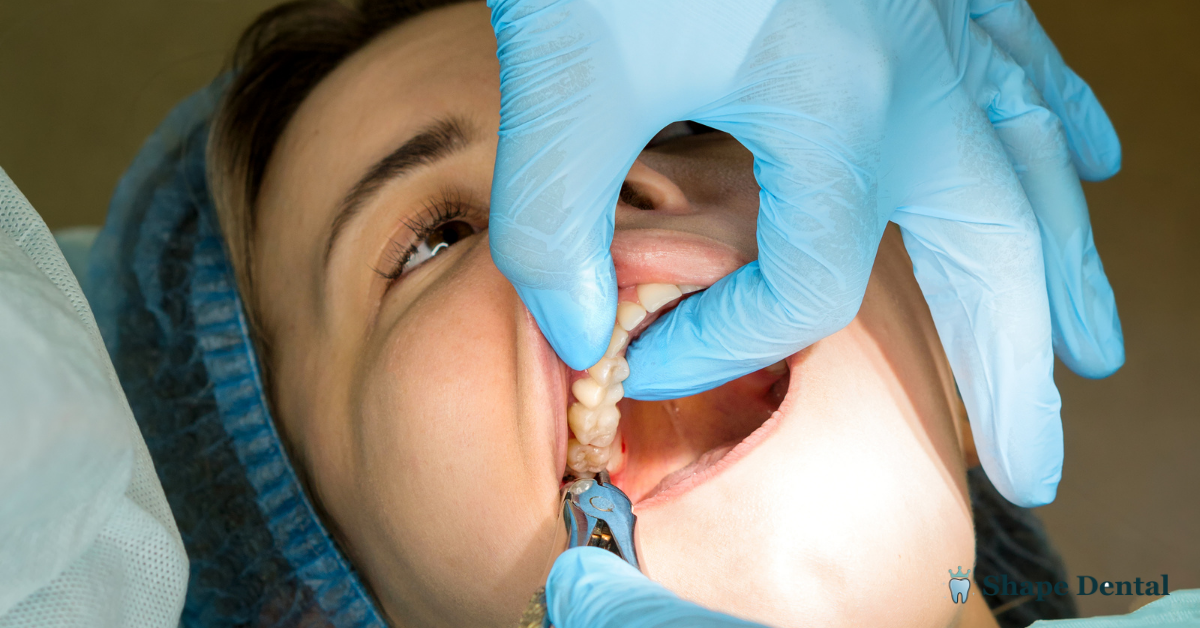
After a tooth extraction, a blood clot forms in the empty socket at the extraction site. This clot protects the bone and nerves and is essential to the healing process. The surrounding gum tissue also begins repairing itself right away.
During the first 24 hours, the blood clot is fragile. Anything that may dislodge the clot can slow healing and increase the risk of dry socket, a painful condition that delays recovery.
Can I Eat Ice Cream After Tooth Extraction?
In many cases, you can eat ice cream after tooth extraction, but not right after a tooth is removed. Dentists usually recommend waiting until numbness has worn off and bleeding is controlled.
Ice cream may be acceptable later on the first day or the next day, depending on comfort level and the type of extraction. Patients who had wisdom teeth removed or a surgical extraction often need to wait longer.
Why Ice Cream Feels Helpful After an Extraction
Ice cream is a soft food that requires little chewing, which makes it easy to eat after tooth removal. The cold temperature may help relieve pain and reduce swelling near the extraction site.
Possible benefits include:
- Cold sensation that may help relieve pain and swelling
- Smooth texture that is easy to eat and swallow
- Temporary comfort during post-surgery recovery
These benefits only apply if ice cream is eaten gently and in small amounts.
Risks of Eating Ice Cream Too Soon
Eating ice cream too soon after an extraction can irritate healing tissue. Sugar may increase bacteria in the mouth, which can interfere with healing if oral hygiene is poor.
Other risks include:
- Increased sensitivity near the extraction site
- Frozen chunks that can irritate inflamed tissue
- Chewing pressure that may dislodge the blood clot
Ice cream should never be eaten aggressively during the recovery process.
When Is the Best Time to Eat Ice Cream?
The best time to eat ice cream depends on the type of extraction or wisdom teeth removal you had. Each extraction procedure heals at a different pace.
General timing guidance includes:
- First 24 hours: avoid eating ice cream until bleeding stops
- Hours after surgery: wait until numbness is gone
- Day two or three: ice cream may be easier to tolerate
- Wisdom teeth extraction: wait longer if pain and swelling continue
Always follow the instructions from your dentist or oral surgeon.

Best Types of Ice Cream After Tooth Extraction
Not all ice cream is suitable during recovery. Some flavors and textures are more likely to cause discomfort near the extraction site.
Better choices include:
- Plain vanilla or chocolate
- Smooth textures without large chunks
- Dairy-free varieties if dairy causes discomfort
Avoid flavors of ice cream with nuts, candy, cookie pieces, sticky foods, or cones that can become lodged in the extraction site.
How to Eat Ice Cream Safely After Tooth Extraction
Even foods that are easy to eat can cause problems if eaten the wrong way. Gentle habits protect the blood clot and support healing.
Helpful tips include:
- Take small bites and eat slowly
- Chew on the opposite side of the mouth
- Do not use a straw at any stage
- Avoid eating near the extraction site
- Stop eating if you feel pain or discomfort
These steps help reduce the risk of dry socket.
Other Soft Foods That Are Better Than Ice Cream
Ice cream provides comfort but little nutrition. Other soft foods offer nutrients to support healing and energy during recovery.
Better food to eat options include:
- Mashed potatoes
- Smoothies without seeds or large chunks
- Yogurt without fruit pieces
- Scrambled eggs
- Smooth soups that are not hot
- Sour cream in small amounts
These foods are easy to eat and less likely to irritate the gum.
Signs Ice Cream May Be Causing Problems
Ice cream should not increase pain or bleeding. If symptoms worsen, it may be interfering with the healing process.
Watch for signs such as:
- Increased pain after eating
- Bleeding that returns
- Sharp sensitivity to cold
- Bad taste near the extraction site
These symptoms may indicate dry socket or infection.
When Should You Call a Dentist After Extraction?
Some discomfort is normal after extraction or wisdom teeth removal, but certain symptoms require dental care.
Contact a dentist if:
- Pain increases several days after surgery
- Swelling does not improve
- Bleeding continues
- You suspect dry socket
Prompt treatment helps prevent dental problems.

Tooth Extraction Aftercare at Shape Dental
Patients in Georgetown, TX, trust Shape Dental for comprehensive dental care, including extractions, cleaning, repair, and installation of dental restorations when needed. The team provides personalized aftercare instructions based on each extraction or wisdom teeth removal.
Shape Dental focuses on comfort, safe healing, and long-term oral health, helping patients recover confidently after tooth extraction or wisdom teeth removal.
Frequently Asked Questions
Can ice cream cause dry socket?
Ice cream itself does not cause dry socket, but chewing pressure or suction can dislodge the blood clot and lead to dry socket.
Is dairy safe after extraction?
Dairy is usually safe unless it causes nausea or irritation near the gum.
Can children eat ice cream after an extraction?
Yes, but only plain varieties and small portions.
What if ice cream hurts my gums?
Stop eating it and switch to room-temperature soft foods.